
How Black Cats Went from Sacred Spirits to Superstitious Scapegoats
Hindveer | Jul 21, 2025, 16:13 IST

Black cat gaze
Image credit : Pixabay
They watch from the shadows, eyes glowing like distant lanterns. Silent. Patient. Mysterious. For centuries, black cats have walked quietly beside us, slipping between myth and reality. But behind their silky fur and golden stare lies a web of deception, spun over hundreds of years. Myths that were never questioned. Lies that shaped their fate.Today, we're peeling back the curtain. What you’re about to read isn’t fiction. It’s the truth they never wanted you to know. This is the black cat deception, and it's time to set the record straight.
Myth One: Black Cats Bring Bad Luck
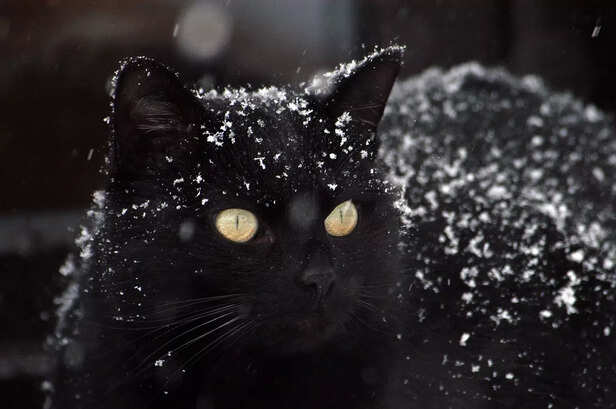
black cat or witch
Image credit : Pixabay
The truth reaches deep into the dark heart of medieval Europe. During a time when fear ruled over facts, people believed that anything associated with night or shadow must be dangerous. Black cats, with their uncanny ability to move unseen, were quickly labeled as bad omens. They became symbols of curses, death, and unseen danger.
But in many parts of the world, the story is very different. In Japan, black cats are believed to attract love. In ancient Scotland, the arrival of a black cat was seen as a blessing of wealth. Sailors even kept them on ships for protection.
So, which version is true? Neither. Because luck, whether good or bad, has never come on four paws. The only curse was the one placed on the cat itself.
Myth Two: Black Cats Are Evil or Possessed
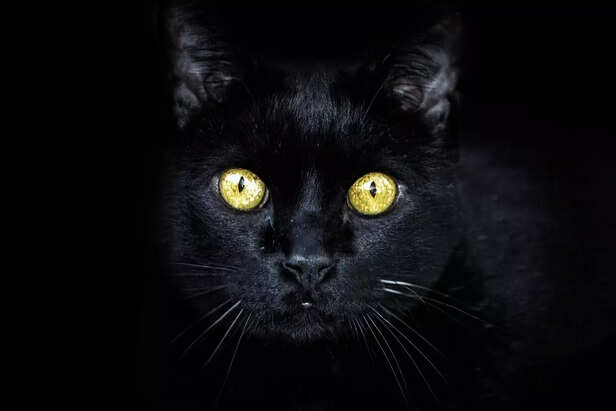
Evil eye or gentle blessing
Image credit : Pixabay
In times of deep superstition, people looked for signs of evil in everything. The dark color of a cat’s fur became suspicious. Their piercing gaze was seen as unnatural. People whispered that they weren't just animals but watchers from another world. Some even believed they were demons in disguise.
The truth is both simpler and sadder. Black cats were feared because they were different. Their appearance made them an easy target during times of paranoia. No proof. No logic. Just fear. And so, an innocent creature was marked with a lie that would cling to it for generations.
Myth Three: Black Cats Were Witches in Disguise
Thousands of cats were killed during this time. Burned. Hanged. Drowned. No trial. No mercy. But this was never about cats. It was about control. Fear was a weapon, and the black cat was just another victim caught in the hysteria. Their crime? Being born with fur the color of midnight.
Myth Four: No One Wants to Adopt Black Cats
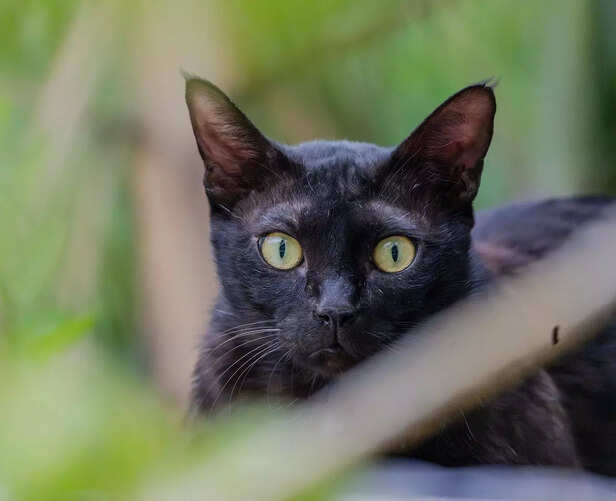
black tails
Image credit : Pixabay
People say they don’t photograph well. Some still believe they bring bad luck. Others pass by without even looking. This myth is quiet, but its damage is very real. But here’s the secret: black cats are actually the most common coat color in cats. Statistically, they make up a larger portion of shelter populations. It’s not that no one wants them; it’s that there are simply more of them to save. They are affectionate. Intelligent. Loyal. But overlooked, again and again, because a lie still lingers in the corners of our minds.
Myth Five: Black Cats Are in Danger on Halloween
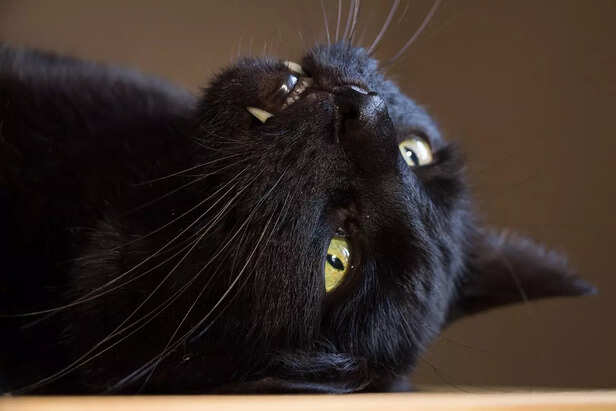
harmful or harmless
Image credit : Pixabay
There have been isolated incidents, yes. But most shelters say the real danger comes from misinformation, not mobs with torches. In truth, the biggest threat to black cats on Halloween is fear itself. Not theirs. Ours. We have turned a holiday into a haunting for a creature that just wants to nap on your couch.
Myth Six: All Black Cats Look the Same
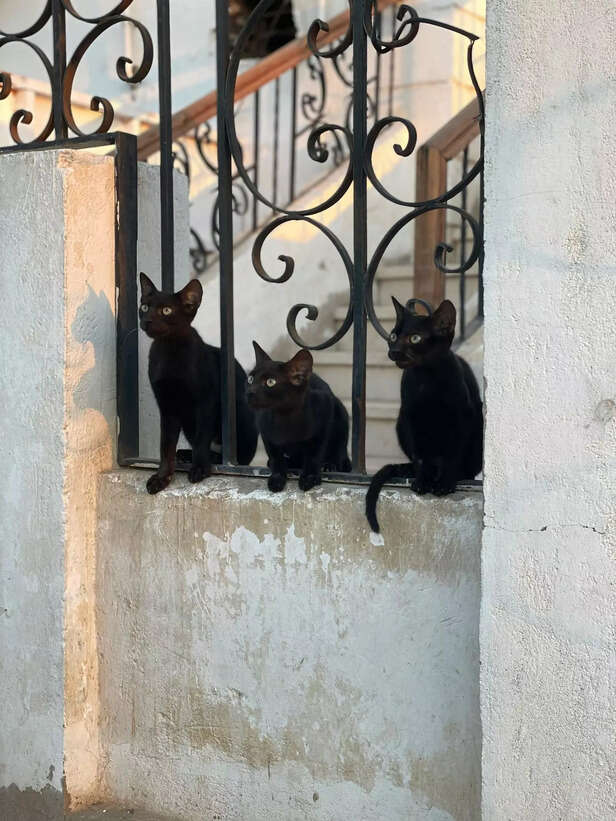
look alike ?
Image credit : Pexels
The Truth That Was Hiding in Plain Sight
They were never cursed. We were. Cursed by ignorance. By fear. By the need to blame something we didn’t understand. But now you know. And once you know, the myth dies. So, the next time a black cat crosses your path, don’t turn away. Watch it. Follow it. Let it remind you that some of the most beautiful truths live in shadow.
And maybe, just maybe, you’ve been lucky all along.
Discover expert advice and the latest tips on pet care, training, health, and more. Stay updated with all things pets at Times Pets!
Frequently Asked Questions (FAQs)
- Do black cats have any specific health issues compared to other cats?
No, black cats generally do not have specific health issues directly linked to their coat color. - Are there any specific cat breeds that are exclusively black?
The Bombay cat breed is specifically bred to have a sleek, all-black coat. - How long do black cats typically live?
Like other domestic cats, black cats typically live 12-18 years, depending on care and lifestyle. - Is it true that black cats are more vocal than other cats?
Vocalization in cats is more tied to individual personality and breed, not coat color.