
Bird Enrichment: Toys And Activities For Captive Birds
Anushka Tripathi | Mar 23, 2026, 14:30 IST

bird
Image credit : Freepik
Birds in captivity need mental and physical stimulation to stay happy and healthy. Without proper enrichment, they can develop stress, boredom, and behavioral problems. This article explores a variety of toys, activities, and training methods that keep birds engaged. From foraging and chewable toys to interactive play and environmental changes, owners can create a dynamic and safe environment for their feathered friends. Understanding individual preferences and rotating enrichment items ensures birds remain mentally sharp, physically active, and emotionally fulfilled, strengthening the bond between pet and caregiver.
Birds are highly intelligent and social creatures. In the wild, they spend most of their day foraging, exploring, and interacting with other birds. Captive birds, however, often face a lack of stimulation. Without mental and physical activities, birds can develop boredom, stress, and even destructive behaviors. Enrichment is essential for their well-being. It provides opportunities for exercise, mental challenges, and social interaction. By investing time and thought into bird enrichment, owners can ensure that their feathered friends lead a happy and healthy life even within the confines of a home or aviary.
The Psychological Benefits Of Enrichment
Engaging activities and toys reduce stress in captive birds. When a bird has something to peck, chew, or manipulate, it occupies its mind and prevents feelings of frustration or loneliness. Mental stimulation improves problem-solving skills and can strengthen the bond between bird and owner. Birds that are regularly enriched tend to show more playful behavior, sing more, and even exhibit improved physical health. Enrichment also mimics natural behaviors like foraging and nest building, which are crucial for emotional well-being. A bird that is mentally active is less likely to develop feather plucking or other signs of anxiety.
Physical Health And Exercise
bird
Image credit : Freepik
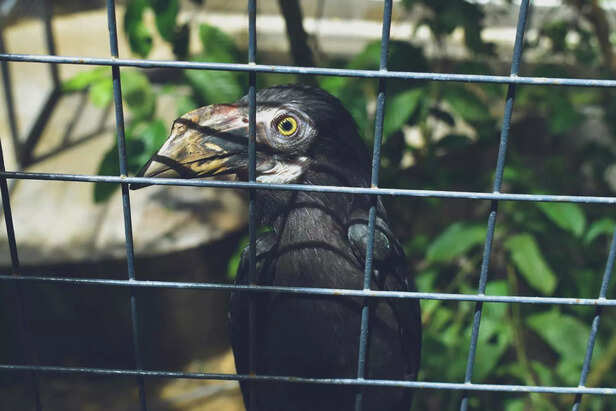
Toys and activities encourage movement, which is essential for a bird’s physical health. Flying, climbing, and hopping help maintain muscle tone and prevent obesity. Swings, ladders, and ropes can be placed inside the cage to allow exercise in a controlled environment. For larger birds, providing a safe out-of-cage space is even more beneficial. Regular activity helps prevent common health issues such as fatty liver disease and weak bones. Birds that are physically active are more alert, energetic, and responsive to interaction with humans and other birds.
Types Of Enrichment Toys
bird
Image credit : Freepik
Foraging Toys
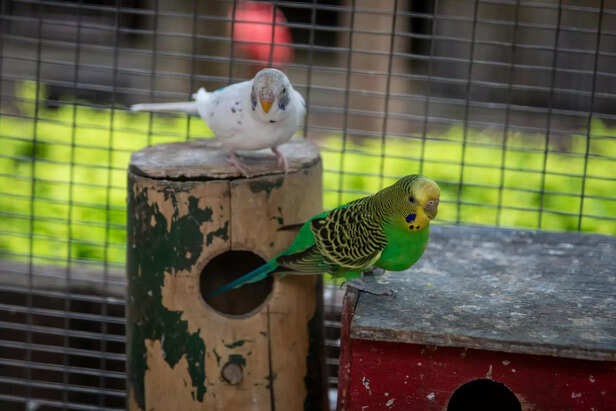
Foraging toys encourage birds to work for their food, mimicking natural behavior in the wild. These toys hide treats inside compartments, requiring the bird to manipulate the object to access the reward. Foraging challenges reduce boredom and satisfy a bird’s natural curiosity. Items like puzzle feeders, shredded paper nests, and treat balls are excellent choices for species of all sizes. Rotating different foraging toys prevents monotony and keeps the bird mentally stimulated.
Chewable Toys
Birds love to chew, and providing safe chewable toys is important to protect both the bird and household items. Toys made from wood, natural fibers, and untreated materials allow birds to satisfy this instinct safely. Chewing helps keep beaks healthy and strong. For parrots and other larger birds, wooden blocks, leather strips, and vine toys provide both mental stimulation and physical engagement. Smaller birds enjoy soft wood pieces and paper toys to tear apart.
Interactive Toys
Interactive toys are designed to engage a bird with sound, movement, or visual stimulation. Bells, mirrors, and hanging toys can catch the bird’s attention and encourage play. Many birds enjoy pulling, pecking, or spinning objects, which also strengthens their muscles. Puzzle toys that require multiple steps to access a treat challenge their intelligence and problem-solving skills. Interactive toys can also be used to teach new behaviors or reinforce positive habits through training.
Sensory Toys
Birds experience the world through their senses. Toys that provide a variety of textures, colors, and shapes are highly engaging. Brightly colored objects attract attention, while textured materials offer new tactile experiences. Some birds respond well to toys with feathers or soft materials, which can simulate the sensation of nest building. Sensory toys also include objects that make gentle noises or rustling sounds. These toys cater to natural instincts and enrich the bird’s environment in multiple ways.
Activities To Stimulate Mental Engagement
parrot
Image credit : Freepik
Training Sessions
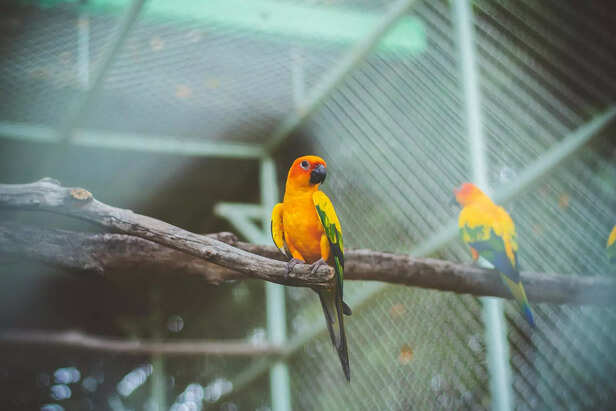
Short, daily training sessions help birds learn new tricks or behaviors while keeping their minds active. Positive reinforcement using treats and praise strengthens the human-bird bond. Training can include simple commands such as step-up or more complex behaviors like target training. Birds that are trained regularly are less likely to develop stress-related behaviors and enjoy interacting with their human caregivers.
Social Interaction
Birds are naturally social animals. Providing opportunities for interaction, whether with other birds or humans, is vital. Spending time talking, singing, or playing with your bird stimulates mental and emotional well-being. Group play for birds of compatible species in a safe space encourages natural social behaviors and reduces feelings of isolation. Interaction also gives the bird a sense of security and attachment.
Environmental Changes
Periodic changes in the cage environment can stimulate curiosity and exploration. Rearranging perches, adding new toys, or rotating enrichment objects encourages the bird to explore its surroundings. Even simple changes like moving the cage to a new area with natural sunlight or introducing new safe items can have a positive impact. Environmental variation prevents routine monotony and keeps birds alert and interested.
Foraging Challenges
Creating homemade foraging opportunities can enhance a bird’s mental and physical activity. Hiding treats in cardboard boxes, paper tubes, or shredded materials gives birds a chance to problem-solve and forage naturally. These challenges keep birds entertained for extended periods. Rotating food types and hiding spots ensures continuous mental engagement. Foraging games also provide an emotional reward as birds experience the satisfaction of discovery.
Safety Considerations
Safety is paramount when introducing toys and activities. Always ensure that toys are free from toxic materials, sharp edges, or small parts that can be swallowed. Supervise birds during playtime to prevent accidents. Regularly inspect toys for wear and tear and replace them when needed. Avoid overstimulation by limiting the number of toys in the cage at one time. Providing a balance of challenge and safety ensures that enrichment is both effective and secure.
Understanding Individual Preferences
Every bird has its own personality and preferences. Some may enjoy foraging more than climbing, while others prefer chewable items over interactive toys. Observe your bird’s reactions to different enrichment items and adjust accordingly. Understanding individual likes and dislikes ensures that each bird receives maximum engagement and satisfaction. Personalized enrichment programs enhance the bird’s emotional health and deepen the human-bird bond.
Benefits Of Enrichment Beyond The Cage
Bird enrichment extends beyond the physical space of the cage. Birds that are mentally and physically stimulated show more positive behaviors during free-flight time or interaction with humans. Enrichment reduces aggression, screaming, and destructive behaviors. It also encourages natural behaviors such as vocalization, dancing, and foraging. A well-stimulated bird enjoys life fully and becomes a more affectionate, responsive, and happy companion.
Bonding Through Enrichment
Engaging in enrichment activities strengthens the bond between pet and owner. Birds recognize the effort put into their well-being and respond with trust, affection, and playful behavior. Shared activities such as training, puzzle-solving, and interactive play deepen the emotional connection. Birds that are bonded with their caregivers are easier to handle, healthier, and more content. Enrichment is not only about stimulation but also about nurturing a loving and meaningful relationship.
Bird enrichment is essential for the emotional, physical, and mental well-being of captive birds. Providing toys, activities, and social interaction mimics natural behaviors and prevents boredom, stress, and destructive habits. By understanding individual preferences and rotating enrichment items, owners can ensure a stimulating and safe environment. The benefits extend beyond the cage, improving behavior, health, and the bond between birds and their caregivers. Thoughtful enrichment helps captive birds live happy, healthy, and fulfilling lives, turning every day into an engaging adventure.
Celebrate the bond with your pets, explore Health & Nutrition, discover Breeds, master Training Tips, Behavior Decoder, and set out on exciting Travel Tails with Times Pets!