
Biggest Myth: Why Milk Harms 80% of Dogs
Noopur Kumari | Apr 10, 2026, 17:06 IST

Milk Is Not Safe for Most Dogs
Image credit : Freepik
Many dog owners believe milk is healthy, but the truth is most dogs cannot digest it properly due to lactose intolerance. As they grow, their ability to break down milk decreases, leading to digestive issues. In many Indian homes, giving milk is a common habit, but it often causes more harm than good. Signs like bloating, gas, and loose motions are usually ignored. In some cases, regular milk intake can worsen health over time. That’s why vets recommend avoiding milk and focusing on a balanced, dog-friendly diet for better digestion and overall well-being.
It feels natural, almost lovingpouring a bowl of milk for your dog. After all, it’s something many of us have seen since childhood. But what if this “care” is actually causing silent harm? What if something so common in Indian homes is quietly making your dog uncomfortable every single day?
![Dog Drinking Milk]()
Many people believe milk is healthy for dogs, but the reality is different. Around 80% of dogs are lactose intolerant, meaning their bodies cannot properly digest milk. As puppies grow, the enzyme needed to break down lactose reduces. This makes milk harder to process. While it may look harmless, your dog’s body might be struggling silently. What seems like a healthy treat can actually turn into a daily discomfort that most owners never notice.
![Feeding Milk at Home]()
In many Indian households, giving milk to dogs is a routine habit. It comes from tradition and care, not ignorance. But this is where the mistake happens. Just because something has been done for years doesn’t mean it is right. Dogs are often given milk without understanding their digestion. This small daily habit slowly leads to bigger health issues. The intention is love but without the right knowledge, it can harm more than help.
![Dog with Digestive Issues]()
Dogs cannot tell you when something feels wrong, but their body does. If your dog experiences loose motions, gas, bloating, or stomach discomfort after drinking milk, it’s a warning sign. Many owners ignore these symptoms, thinking they are normal. But these are clear signals of lactose intolerance. Over time, repeated discomfort can weaken digestion and overall health. Recognizing these signs early can prevent long-term issues.
Milk may not harm instantly, but regular intake can lead to chronic digestive problems. In some cases, it can cause dehydration due to diarrhea or even affect nutrient absorption. This means your dog is not getting the full benefit of its regular diet. What starts as a simple habit can slowly impact your dog’s energy, immunity, and well-being. The danger is not loud it’s slow and silent.
Veterinarians usually advise avoiding regular milk for adult dogs. Instead, they recommend a balanced diet suited to your dog’s age and breed. If you still want to give dairy, lactose-free options in small amounts may be safer. But the best step is always to consult a vet before adding anything new to your dog’s diet. Every dog is different, and expert guidance ensures you are making the right choice.
The best way to care for your dog is by understanding its real needs. Stick to clean water, quality dog food, and vet-approved treats. Avoid experimenting with human foods without knowledge. Small changes in feeding habits can make a huge difference in your dog’s health and happiness. When you feed right, your dog not only stays healthy but also lives a more active and comfortable life.
Giving milk may feel like love, but true care lies in understanding. Your dog trusts you completely even when something doesn’t suit them. The real responsibility is not just feeding, but feeding right. Because sometimes, the biggest act of love is unlearning what we thought was right.
Celebrate the bond with your pets, explore Health & Nutrition, discover Breeds, master Training Tips, Behavior Decoder, and set out on exciting Travel Tails with Times Pets!
The Truth About Dogs and Milk Digestion
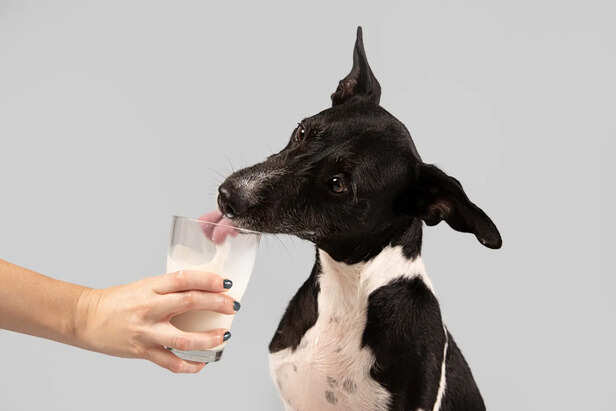
Dog Drinking Milk
Image credit : Freepik
Many people believe milk is healthy for dogs, but the reality is different. Around 80% of dogs are lactose intolerant, meaning their bodies cannot properly digest milk. As puppies grow, the enzyme needed to break down lactose reduces. This makes milk harder to process. While it may look harmless, your dog’s body might be struggling silently. What seems like a healthy treat can actually turn into a daily discomfort that most owners never notice.
The Common Mistake Indian Families Make

Feeding Milk at Home
Image credit : Freepik
In many Indian households, giving milk to dogs is a routine habit. It comes from tradition and care, not ignorance. But this is where the mistake happens. Just because something has been done for years doesn’t mean it is right. Dogs are often given milk without understanding their digestion. This small daily habit slowly leads to bigger health issues. The intention is love but without the right knowledge, it can harm more than help.
Hidden Signs Your Dog Is Not Tolerating Milk

Dog with Digestive Issues
Image credit : Freepik
Dogs cannot tell you when something feels wrong, but their body does. If your dog experiences loose motions, gas, bloating, or stomach discomfort after drinking milk, it’s a warning sign. Many owners ignore these symptoms, thinking they are normal. But these are clear signals of lactose intolerance. Over time, repeated discomfort can weaken digestion and overall health. Recognizing these signs early can prevent long-term issues.
When Milk Becomes Dangerous
What Vets Actually Recommend
Smart Feeding Habits for a Healthy Dog
Love Should Never Hurt
Celebrate the bond with your pets, explore Health & Nutrition, discover Breeds, master Training Tips, Behavior Decoder, and set out on exciting Travel Tails with Times Pets!