
Beyond Companionship-Pets as Messengers of Ancestral Values and Generational Love
Kashish Pandey | Mar 25, 2026, 17:42 IST

pet owner and his granparent
Image credit : Chatgpt[Ai]
Pets have always been more than just companions. Across cultures and generations, they carry a deeper meaning that goes far beyond their playful presence or loyal company. For many families, animals are not only protectors and friends but also symbols of continuity, tradition, and love that travels across time. To see pets as messengers of ancestral values and generational bonds is to recognize that their presence is not random but rooted in spiritual, cultural, and emotional legacies.
This article explores how pets connect us with ancestral wisdom, carry forward generational values, and nurture love that transcends lifetimes. From folklore and traditions to modern psychology, the bond with animals is both timeless and sacred.
![dog]() For as long as people have walked the earth, animals have walked beside them. Dogs were not only the first to be domesticated but also the first to become part of the human heart. They guarded homes, yes, but they also gave families a sense of safety that went beyond physical protection. Cats, worshipped in ancient Egypt, were cherished not just for keeping pests away but for the mysterious way they seemed to move between worlds, as if they carried whispers from the divine. Horses were more than transportation; they were trusted partners who carried hopes, dreams, and even prayers across great distances. Birds, with their songs and effortless flight, often reminded families that freedom and spirit are never bound to the earth.
For as long as people have walked the earth, animals have walked beside them. Dogs were not only the first to be domesticated but also the first to become part of the human heart. They guarded homes, yes, but they also gave families a sense of safety that went beyond physical protection. Cats, worshipped in ancient Egypt, were cherished not just for keeping pests away but for the mysterious way they seemed to move between worlds, as if they carried whispers from the divine. Horses were more than transportation; they were trusted partners who carried hopes, dreams, and even prayers across great distances. Birds, with their songs and effortless flight, often reminded families that freedom and spirit are never bound to the earth.
In every age, pets were never just animals to be kept. They were living symbols of the qualities families treasured most. A dog’s loyalty mirrored the loyalty expected between kin. A horse’s strength and resilience inspired courage in hard times. A cat’s patience reflected the quiet wisdom of elders. To keep an animal close was to keep these values alive. And as families grew and generations passed, pets became the gentle teachers who showed children what compassion, responsibility, and love looked like in daily life.
Every family has stories, traditions, and values that define its identity. Some of these values are passed down through rituals, while others are lived out in daily life. Pets often become the bridge through which these values are expressed and remembered.
For instance, in rural households, the act of feeding stray animals or taking care of livestock is not merely about sustenance but about honoring traditions of compassion taught by elders. Children who grow up watching their grandparents care for animals learn kindness and empathy not from books but from lived practice.
In spiritual traditions, animals are also seen as protectors of dharma or moral order. They remind humans of humility and interconnectedness. When families bring pets into their lives, they are unknowingly continuing a chain of ancestral love and responsibility that began generations before.
![folk lore]()
Stories from every corner of the world remind us that animals have always been seen as bridges between people and the unseen. In Indian traditions, many believe that dogs walk alongside souls on their journey after death, guiding them safely to the next realm. In Celtic tales, cats are not just quiet companions but guardians of hidden treasures and secrets too deep for humans to protect. Among Native American tribes, the wolf is celebrated as a wise teacher, showing families the meaning of loyalty, unity, and survival through the harshest of winters.
These stories remind us that pets were never considered outsiders in the human journey. They were woven into the same fabric of life, carrying pieces of wisdom from those who lived before us. Even now, when a child grows up with a pet, they are not just learning how to care for an animal. They are stepping into a long, unspoken tradition where animals carry meaning, memory, and love from past generations into the present. Through them, heritage becomes something you can touch, play with, and love every single day.
Generational love often shows itself in the simplest moments shared with animals. Picture a grandmother placing a handful of grains in a child’s tiny palm, guiding them to scatter food for the birds at sunrise. In that tender act, she is not only teaching kindness but also passing down a ritual that has lived in the family for years, binding past and present together in one gentle gesture.
The stories of pets also become part of family history, carried like heirlooms in memory. Families recall the loyal dog who stood guard through a raging storm, or the gentle cat who curled beside a sick elder, offering comfort when words could not. These stories are retold around dinner tables and in bedtime conversations, becoming threads in the family’s tapestry. Each retelling reminds children that animals are not just companions, but part of the family’s soul, woven deeply into the fabric of love and legacy that connects one generation to the next.
Psychologists often talk about emotional inheritance, the quiet way feelings, wounds, and even unspoken stories travel from one generation to the next. Sometimes these inheritances are heavy, carrying the weight of old pain or loss. And yet, pets often step into this space as gentle healers. With their unconditional love, they soothe hurts that words cannot reach.
Generational love is about the flow of affection, care, and responsibility from one age to another. Pets embody this flow in their very presence. A dog that grows old alongside grandparents becomes a companion for grandchildren, silently witnessing the transitions of family life.
This continuity is powerful. Pets remind us that love is not bound by human lifespans. Just as ancestral love flows through blood and memory, the love shared with pets echoes beyond a single generation. Families often remember pets from decades ago with the same reverence as they remember ancestors, proving that animals too become part of the lineage of love.
Across the world, animals quietly walk into sacred spaces where humans remember their ancestors. In India, families often feed cows, dogs, or birds during shraddh, believing that these simple acts of kindness carry blessings to the souls who have passed on. In many African traditions, animals are seen as living vessels of ancestral presence, reminders that loved ones are never truly gone. Within Christianity too, saints are often shown with animals by their side, as if the bond between human and creature was itself a sign of divine connection.
These rituals and stories remind us that animals are never just background figures in family life. They are part of the sacred rhythm of remembrance and love. When a family chooses to welcome a pet into their home, it is more than an act of companionship. It is, in many ways, an invitation for continuity, a chance to let ancestral blessings flow forward through fur, feather, and gentle presence. Pets become not only members of the household but also quiet messengers of love that stretches across generations.
Pets transmit ancestral values in subtle ways.
Family life is full of transitions: births, deaths, migrations, and generational shifts. Pets help ease these transitions. They provide comfort during grief, joy during celebrations, and stability during uncertain times.
For children coping with the loss of a grandparent, a pet often becomes the most immediate source of healing. The presence of a dog sitting quietly near them or a cat purring softly offers a non-verbal reassurance that love still surrounds them.
In this way, pets act as emotional anchors, carrying forward the love and values of those who are no longer physically present.
In today’s fast-paced urban lives, pets are often the only consistent companion families have. Yet even here, their role as messengers of ancestral values is evident. Many city dwellers recall how their grandparent kept animals in villages and feel inspired to continue the bond through modern pets.
By caring for pets in apartments or homes far away from ancestral lands, families maintain a living connection to the compassion, resilience, and love taught by earlier generations. In essence, pets become cultural memory keepers even in modern contexts.
Beyond cultural differences, the message that pets carry is universal. They remind humans of unconditional love, loyalty, and the interconnectedness of life. Whether it is a dog wagging its tail at the sight of its owner or a bird singing in the morning, these small acts hold timeless wisdom.
They remind us that life’s deepest values are not abstract concepts but daily practices of care, compassion, and presence. Pets embody these values in ways that transcend language and time.
To see pets merely as companions is to miss their deeper role in human life. They are messengers of ancestral values, teachers of generational love, and carriers of emotional and spiritual wisdom. Through their presence, families remember traditions, heal emotional wounds, and create bonds that endure across lifetimes.
When we care for pets, we are not only expressing love in the present but also honoring the lessons of the past and sowing seeds of compassion for the future. Pets remind us that love is eternal, and through them, the voices of our ancestors continue to whisper values of loyalty, kindness, and togetherness.
In every wagging tail, every purr, and every gentle gaze, there lies a reminder that pets are not just part of our families but also part of our heritage, carrying forward the timeless flow of ancestral love into future generations.
Discover expert advice and the latest tips on pet care, training, health, and more. Stay updated with all things pets at Times Pets!
Frequently Asked Questions[FAQs]
The Role of Pets in Human History
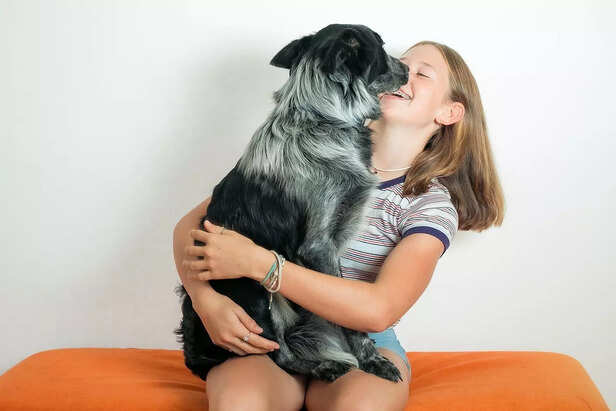
dog
Image credit : Pixabay
In every age, pets were never just animals to be kept. They were living symbols of the qualities families treasured most. A dog’s loyalty mirrored the loyalty expected between kin. A horse’s strength and resilience inspired courage in hard times. A cat’s patience reflected the quiet wisdom of elders. To keep an animal close was to keep these values alive. And as families grew and generations passed, pets became the gentle teachers who showed children what compassion, responsibility, and love looked like in daily life.
Pets as Living Carriers of Ancestral Values
Every family has stories, traditions, and values that define its identity. Some of these values are passed down through rituals, while others are lived out in daily life. Pets often become the bridge through which these values are expressed and remembered.
For instance, in rural households, the act of feeding stray animals or taking care of livestock is not merely about sustenance but about honoring traditions of compassion taught by elders. Children who grow up watching their grandparents care for animals learn kindness and empathy not from books but from lived practice.
In spiritual traditions, animals are also seen as protectors of dharma or moral order. They remind humans of humility and interconnectedness. When families bring pets into their lives, they are unknowingly continuing a chain of ancestral love and responsibility that began generations before.
Pets in Folklore and Ancestral Beliefs

folk lore
Image credit : Pixabay
Stories from every corner of the world remind us that animals have always been seen as bridges between people and the unseen. In Indian traditions, many believe that dogs walk alongside souls on their journey after death, guiding them safely to the next realm. In Celtic tales, cats are not just quiet companions but guardians of hidden treasures and secrets too deep for humans to protect. Among Native American tribes, the wolf is celebrated as a wise teacher, showing families the meaning of loyalty, unity, and survival through the harshest of winters.
These stories remind us that pets were never considered outsiders in the human journey. They were woven into the same fabric of life, carrying pieces of wisdom from those who lived before us. Even now, when a child grows up with a pet, they are not just learning how to care for an animal. They are stepping into a long, unspoken tradition where animals carry meaning, memory, and love from past generations into the present. Through them, heritage becomes something you can touch, play with, and love every single day.
Pets and Generational Bonds
Generational love often shows itself in the simplest moments shared with animals. Picture a grandmother placing a handful of grains in a child’s tiny palm, guiding them to scatter food for the birds at sunrise. In that tender act, she is not only teaching kindness but also passing down a ritual that has lived in the family for years, binding past and present together in one gentle gesture.
The stories of pets also become part of family history, carried like heirlooms in memory. Families recall the loyal dog who stood guard through a raging storm, or the gentle cat who curled beside a sick elder, offering comfort when words could not. These stories are retold around dinner tables and in bedtime conversations, becoming threads in the family’s tapestry. Each retelling reminds children that animals are not just companions, but part of the family’s soul, woven deeply into the fabric of love and legacy that connects one generation to the next.
Pets and Emotional Inheritance
Generational love is about the flow of affection, care, and responsibility from one age to another. Pets embody this flow in their very presence. A dog that grows old alongside grandparents becomes a companion for grandchildren, silently witnessing the transitions of family life.
This continuity is powerful. Pets remind us that love is not bound by human lifespans. Just as ancestral love flows through blood and memory, the love shared with pets echoes beyond a single generation. Families often remember pets from decades ago with the same reverence as they remember ancestors, proving that animals too become part of the lineage of love.
Spiritual Symbolism of Pets in Ancestral Practices
Across the world, animals quietly walk into sacred spaces where humans remember their ancestors. In India, families often feed cows, dogs, or birds during shraddh, believing that these simple acts of kindness carry blessings to the souls who have passed on. In many African traditions, animals are seen as living vessels of ancestral presence, reminders that loved ones are never truly gone. Within Christianity too, saints are often shown with animals by their side, as if the bond between human and creature was itself a sign of divine connection.
These rituals and stories remind us that animals are never just background figures in family life. They are part of the sacred rhythm of remembrance and love. When a family chooses to welcome a pet into their home, it is more than an act of companionship. It is, in many ways, an invitation for continuity, a chance to let ancestral blessings flow forward through fur, feather, and gentle presence. Pets become not only members of the household but also quiet messengers of love that stretches across generations.
Lessons Pets Teach Across Generations
Pets transmit ancestral values in subtle ways.
- Loyalty: A dog waiting at the door every day mirrors the loyalty that ancestors considered vital for family bonds.
- Patience: Cats, with their quiet and observant nature, teach the value of stillness and presence.
- Responsibility: Caring for pets trains children to honor duties, a quality that elders always emphasized.
- Compassion: Feeding and nursing animals echoes traditions of generosity and hospitality that ancestors practiced.
- Resilience: The ability of pets to adapt to changing environments reflects the survival values carried through generations.
Healing Power of Pets in Generational Transitions
For children coping with the loss of a grandparent, a pet often becomes the most immediate source of healing. The presence of a dog sitting quietly near them or a cat purring softly offers a non-verbal reassurance that love still surrounds them.
In this way, pets act as emotional anchors, carrying forward the love and values of those who are no longer physically present.
Modern Reflections: Pets in Urban Families
In today’s fast-paced urban lives, pets are often the only consistent companion families have. Yet even here, their role as messengers of ancestral values is evident. Many city dwellers recall how their grandparent kept animals in villages and feel inspired to continue the bond through modern pets.
By caring for pets in apartments or homes far away from ancestral lands, families maintain a living connection to the compassion, resilience, and love taught by earlier generations. In essence, pets become cultural memory keepers even in modern contexts.
The Universal Message of Pets
They remind us that life’s deepest values are not abstract concepts but daily practices of care, compassion, and presence. Pets embody these values in ways that transcend language and time.
To see pets merely as companions is to miss their deeper role in human life. They are messengers of ancestral values, teachers of generational love, and carriers of emotional and spiritual wisdom. Through their presence, families remember traditions, heal emotional wounds, and create bonds that endure across lifetimes.
When we care for pets, we are not only expressing love in the present but also honoring the lessons of the past and sowing seeds of compassion for the future. Pets remind us that love is eternal, and through them, the voices of our ancestors continue to whisper values of loyalty, kindness, and togetherness.
In every wagging tail, every purr, and every gentle gaze, there lies a reminder that pets are not just part of our families but also part of our heritage, carrying forward the timeless flow of ancestral love into future generations.
Discover expert advice and the latest tips on pet care, training, health, and more. Stay updated with all things pets at Times Pets!
Frequently Asked Questions[FAQs]
- How are pets more than just companions?
Pets go beyond companionship by carrying ancestral values, nurturing family traditions, and strengthening the flow of generational love within families. - Can pets be seen as messengers of ancestral values?
Yes, pets embody ancestral values by connecting generations emotionally and spiritually. Families often see them as carriers of love and continuity across time. - Do pets create generational bonds in families?
Absolutely. A pet that lives with grandparents often becomes a beloved companion for grandchildren, symbolizing the passing of love and care across generations. - Why are pets remembered like ancestors in families?
Pets are remembered with deep reverence because their love and loyalty become part of the family’s emotional lineage, much like ancestors are remembered with respect