
Awake In The Dark: 10 Fascinating Nocturnal Animals
Anushka Tripathi | Mar 06, 2026, 10:30 IST

leopard
Image credit : Pexels
When the world goes quiet and humans fall asleep, a hidden world of wildlife begins to awaken. Many animals are specially adapted to live and hunt in the darkness. From the silent owl and navigating bat to the clever raccoon and mysterious tarsier, nocturnal animals possess extraordinary senses that help them survive the night. This article explores ten fascinating creatures that stay active after sunset and reveals how the nighttime ecosystem plays a vital role in maintaining nature’s balance.
When the sun disappears, and the world slowly becomes quiet, another world quietly wakes up. While humans switch off lights and head toward sleep, many animals begin the most important part of their day. These creatures are known as nocturnal animals, meaning they are active during the night and rest during the day. The darkness that feels silent and empty to us is actually full of movement, sound, and survival stories. The night belongs to hunters, explorers, and silent wanderers who have evolved incredible abilities to see, hear, and navigate in the dark. Their eyes shine under moonlight, their ears capture the faintest sounds, and their instincts guide them through landscapes that humans can barely see. Learning about these animals reminds us that nature never truly sleeps. It simply changes shifts.
Why Some Animals Choose The Night
There are many reasons why animals choose to live their lives after sunset. For some species, night offers protection from predators. For others, it provides cooler temperatures and easier hunting opportunities. Darkness also allows certain animals to move without being seen. Over thousands of years, these animals have developed powerful adaptations. Their eyes are often larger to capture more light. Their hearing is sharper. Their sense of smell becomes stronger. Many nocturnal animals can detect movement that humans would completely miss. These special abilities turn the night into a comfortable and familiar environment.
The Silent Hunter Of The Night: Owl
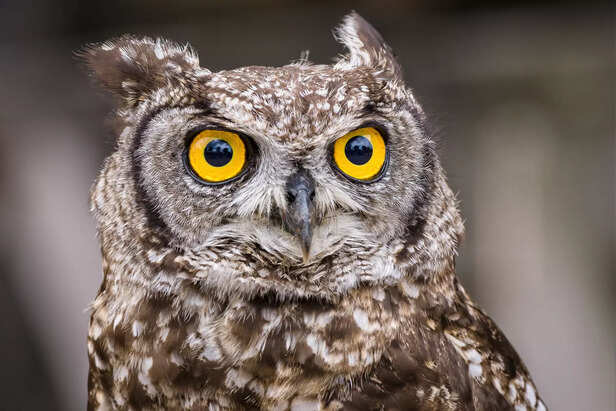
owl
Image credit : Pexels
Few animals represent the night as perfectly as the owl. With its wide eyes and silent wings, the owl is one of the most skilled nocturnal hunters in the animal kingdom. Owls have extraordinary night vision that allows them to see even the smallest movement in near darkness. Their feathers are designed in a special way that lets them fly almost silently. This silent flight allows them to approach prey without being heard. Their sharp talons and powerful beaks make them efficient hunters of rodents, insects, and small birds. For centuries, owls have been symbols of wisdom and mystery, partly because humans rarely see them during the day. But during the night, they rule the skies with quiet confidence.
The Flying Navigator: Bat
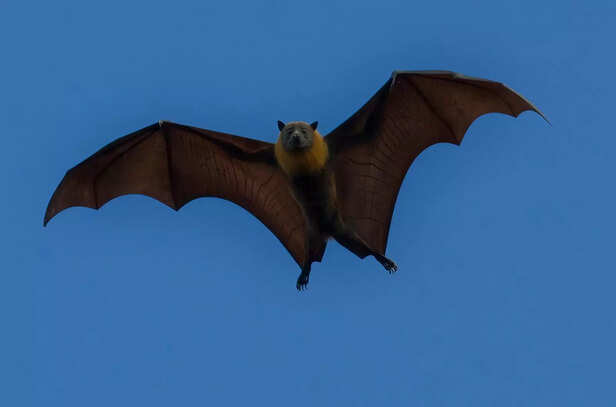
bat
Image credit : Pexels
Bats are among the most fascinating nocturnal animals in the world. They are the only mammals capable of true flight. Instead of relying on vision alone, bats use a remarkable system called echolocation. They produce high-pitched sounds that bounce off objects around them. By listening to the returning echoes, bats can understand the size, distance, and direction of objects. This ability allows them to fly through the darkness with incredible precision. Bats play a crucial role in ecosystems because they control insect populations and pollinate plants. Although they sometimes appear mysterious or misunderstood, bats are gentle creatures that help maintain balance in nature.
The Curious Night Forager: Raccoon
Raccoons are known for their intelligence and curiosity. With their masked faces and nimble hands, they often appear playful and clever. Raccoons spend most of their nights searching for food. They are excellent climbers and can open containers, doors, and even complicated locks. Their sensitive front paws allow them to feel and identify objects even in darkness. Raccoons are omnivores, meaning they eat a wide variety of foods, including fruits, insects, eggs, and small animals. Their adaptability has helped them survive in forests as well as urban environments. When cities grow quiet at night, raccoons quietly explore streets and backyards in search of their next meal.
The Quiet Predator: Leopard
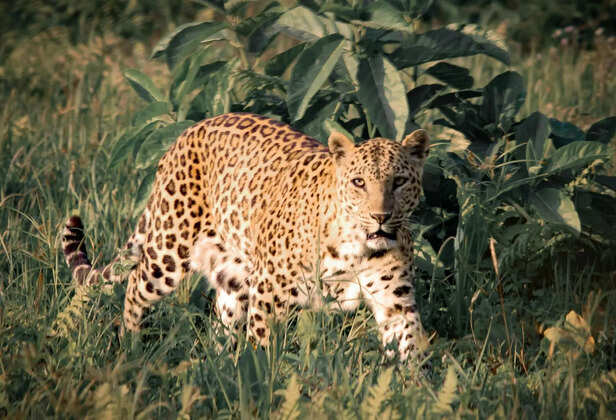
leopard
Image credit : Pexels
Leopards are powerful big cats that often prefer hunting under the cover of darkness. The night provides them with an advantage because their spotted coats blend perfectly with shadows and vegetation. Leopards have exceptional night vision that allows them to detect prey even in dim light. They move silently through forests and grasslands, patiently waiting for the perfect moment to strike. Despite their strength and hunting skills, leopards are generally solitary animals that prefer to avoid human contact. The quiet hours of the night allow them to move freely through their territories without disturbance.
The Laughing Survivor: Hyena
Hyenas are often misunderstood animals. Their unusual calls, which sometimes sound like laughter, have made them mysterious figures in folklore. Many hyena species are most active at night when they search for food across large distances. Hyenas are incredibly strong and intelligent. Their powerful jaws can crush bones that most predators cannot break. Although they are often described as scavengers, many hyenas are skilled hunters as well. Nighttime provides the perfect environment for them to track prey using their sharp sense of smell and hearing.
The Clever Night Wanderer: Fox
Foxes are graceful and intelligent animals that thrive in both wild landscapes and human-dominated areas. Many fox species are nocturnal or most active during twilight and nighttime. Their sharp ears help them detect small animals moving beneath grass or snow. Foxes use quick, precise movements to capture their prey. Their adaptability allows them to survive in forests, deserts, and even busy cities. When darkness spreads across fields and streets, foxes quietly begin their nightly journeys in search of food.
The Tiny Night Explorer: Hedgehog
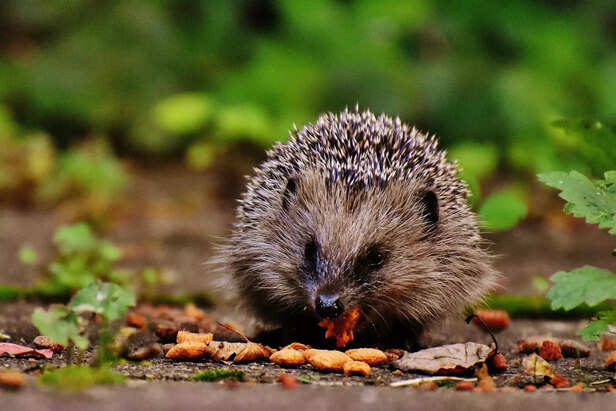
Hedgehog
Image credit : Pexels
Hedgehogs are small mammals known for the protective spines that cover their backs. During the day they remain hidden in nests made of leaves and grass. But once the sun sets, hedgehogs begin their search for food. They use their strong sense of smell to locate insects, worms, and small creatures in the soil. When threatened, hedgehogs roll into a tight ball, turning their sharp spines outward to protect themselves. Their gentle appearance and quiet lifestyle make them beloved animals in many parts of the world.
The Underground Specialist: Aardvark
Aardvarks are unusual animals that spend much of their lives digging through soil in search of ants and termites. Their long snouts and sticky tongues are perfectly designed for capturing insects hidden deep inside mounds. Aardvarks usually leave their burrows after sunset. Nighttime offers cooler temperatures and protection from predators. Their powerful claws allow them to dig quickly, creating tunnels that also provide shelter for other animals. Even though they are rarely seen by humans, aardvarks play an important role in maintaining healthy ecosystems.
The Big Eyed Primate: Tarsier
Tarsiers are tiny primates found in parts of Southeast Asia. They are famous for their enormous eyes, which are specially adapted for seeing in low light. Each eye is nearly as large as the animal’s brain. These incredible eyes allow tarsiers to detect insects and small animals even in darkness. Tarsiers are agile climbers and can leap impressive distances between branches. Their ability to rotate their heads almost completely around helps them scan their surroundings without moving their bodies. Watching a tarsier in the moonlight feels like witnessing a creature from another world.
The Rainforest Night Lover: Kinkajou
The kinkajou is a tree-dwelling animal found in tropical forests. With its golden fur and large eyes, it often looks like a small bear. However, the kinkajou is more closely related to raccoons. This animal spends most of its nights moving through tree branches in search of fruit and nectar. Its long tail acts like a balance tool while climbing. Kinkajous play an important role in spreading seeds and pollinating plants as they feed. Their quiet movements and gentle nature make them one of the hidden wonders of the rainforest night.
The Beauty Of A World After Sunset
The night is not empty or silent as it may appear from a human perspective. Instead, it is full of life and activity. Nocturnal animals have turned darkness into an opportunity rather than an obstacle. Their abilities show how adaptable and creative evolution can be. Large eyes, sensitive ears, powerful noses, and silent movements allow these animals to thrive when the world grows dark.
Learning From The Creatures Of The Night
Studying nocturnal animals helps scientists understand how ecosystems function around the clock. Many plants rely on nighttime pollinators. Many insect populations are controlled by nocturnal hunters. Without these animals, the balance of nature would change dramatically. Every creature that wakes after sunset plays a role in maintaining this delicate system.
Respecting The Rhythm Of Nature
Humans often shape their lives around daylight, but nature operates on a much broader schedule. The existence of nocturnal animals reminds us that life continues even when we are asleep. Respecting wildlife means understanding these rhythms and protecting the habitats that allow animals to follow their natural cycles. Even today, scientists continue to discover new behaviours and adaptations among nocturnal animals. Technology such as night cameras and sound recorders has revealed how active the night truly is. What once seemed like darkness is actually a stage where countless animals perform their daily routines.
A World That Never Truly Sleeps
When we finally close our eyes at night, the forests, deserts, rivers, and oceans continue their quiet movement. Owls glide across the sky, bats trace invisible paths through the air, foxes explore open fields, and tiny creatures search for food under leaves and soil. The night is not an ending to the day. It is simply another chapter in the endless story of life on Earth.
Celebrate the bond with your pets, explore Health & Nutrition, discover Breeds, master Training Tips, Behavior Decoder, and set out on exciting Travel Tails with Times Pets!