
Are You Accidentally Stressing Your Cat with Everyday Sounds?
Tanisha Kumari | Jan 13, 2026, 17:20 IST

Cat's stress
Image credit : Freepik
Here it explores how everyday household sounds ignored by humans cause chronic stress in cats. It explains why cats are more sensitive to sound, identifies common noise triggers, highlights behavioural signs of stress and provides practical strategies to create a quieter, safer environment. It also emphasizes when professional help may be necessary to manage noise related anxiety.
Cats experience the world through extremely sensitive senses especially hearing. While humans quickly tune out background noise, a cat's ears constantly scanning for danger. The sounds that humans consider normal like appliances, conversations, traffic or sudden bangs feel overwhelming or threatening to them. Over time this constant exposure quietly increases a cat's stress levels, affecting behaviour, health and emotional well being.
Why Cats Are More Sensitive to Sound
![noise]()
Cats hear frequencies far beyond the human range. This ability evolved to help them detect prey and avoid predators but it also means they perceive more of the noise around them. High pitched sounds from electronics, the hum of appliances or sudden sharp noises feel intrusive. Unlike humans cats do not rationalize what a sound means they simply react to whether it feels safe or threatening.
Many noises unsettle cats. Vacuum cleaners, mixers, hair dryers, pressure cookers, doorbells and loud television volumes causes fear responses. Construction sounds, fireworks and traffic from outside add to the problem. Even repetitive noises like ticking clocks or dripping taps create low grade stress over time especially in anxious or older cats.
Noise related stress appears subtly. Cats hide more, become jumpy, stop using the litter box properly or show changes in appetite. Excessive grooming, aggression or vocalization also signal anxiety. Chronic stress weaken immunity, worsen urinary issues and contribute to long term behavioural problems.
Creating a Quieter
![Safe zone]()
All the noises cannot be eliminated but give the cat control over their environment. Provide a quiet retreat like a bedroom, cupboard space or covered bed away from appliances and entrances. Soft furnishings, curtains and rugs help absorb sound. Playing gentle background music or white noise also mask sudden sharp sounds that startle cats.
If a cat's stress responses persist despite enviromental changes, a veterinarian or animal behaviourist is helpful. Medical issues, pain or age related hearing sensitivity worsen anxiety. In some cases pheromone diffusers, anxiety reducing diets or structured behavioural training significantly improve a cat's comfort.
What feels like normal daily life to us is a constant source of tension for our cats. Household noise when unmanaged slowly erode their sense of safety and emotional balance. By recognizing the signs of stress and making small adjustments creating quiet spaces, reducing sudden noise and observing behavioural changes that transform home into a more peaceful environment. A calmer soundscape does not just benefit the cat but also strengthens the bond we shared and support their long term health and happiness.
Celebrate the bond with your pets, explore Health & Nutrition, discover Breeds, master Training Tips, Behavior Decoder, and set out on exciting Travel Tails with Times Pets!
Why Cats Are More Sensitive to Sound
noise
Image credit : Freepik
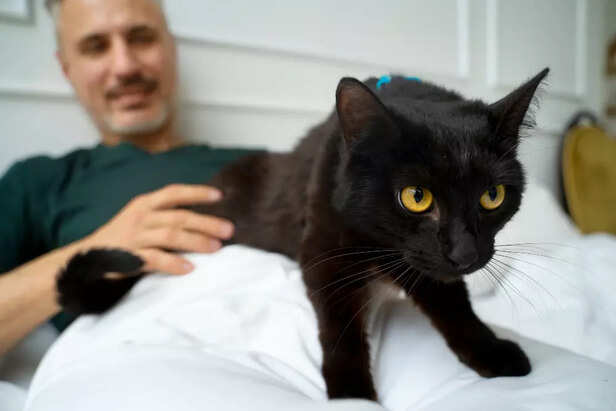
Cats hear frequencies far beyond the human range. This ability evolved to help them detect prey and avoid predators but it also means they perceive more of the noise around them. High pitched sounds from electronics, the hum of appliances or sudden sharp noises feel intrusive. Unlike humans cats do not rationalize what a sound means they simply react to whether it feels safe or threatening.
Common Household Sounds That Trigger Stress
How Noise Stress Shows Up in Your Cat
Creating a Quieter Safe Zone at Home
Safe zone
Image credit : Freepik
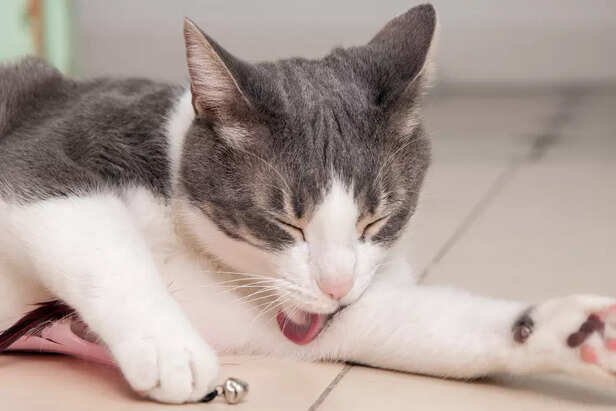
All the noises cannot be eliminated but give the cat control over their environment. Provide a quiet retreat like a bedroom, cupboard space or covered bed away from appliances and entrances. Soft furnishings, curtains and rugs help absorb sound. Playing gentle background music or white noise also mask sudden sharp sounds that startle cats.
When to Seek Professional Help
What feels like normal daily life to us is a constant source of tension for our cats. Household noise when unmanaged slowly erode their sense of safety and emotional balance. By recognizing the signs of stress and making small adjustments creating quiet spaces, reducing sudden noise and observing behavioural changes that transform home into a more peaceful environment. A calmer soundscape does not just benefit the cat but also strengthens the bond we shared and support their long term health and happiness.
Celebrate the bond with your pets, explore Health & Nutrition, discover Breeds, master Training Tips, Behavior Decoder, and set out on exciting Travel Tails with Times Pets!