
Want to Cleanse Your Karma? Ancient Myths Say Start With Animals
Kashish Pandey | Aug 31, 2025, 16:00 IST

dog
Image credit : Pixabay
Human beings have always wondered how to live a life of balance, peace, and meaning. Across cultures, the idea of karma has offered an explanation. Karma is often understood as the spiritual principle of cause and effect, suggesting that every action carries consequences. If we act with kindness, generosity, and compassion, those energies return to us. If we act with cruelty or negligence, the results eventually circle back.In many ancient myths, the path to cleansing karma does not begin with fellow humans but with animals. From India to Greece, from Egypt to the Americas, stories tell us that our relationship with animals is a mirror of our spiritual state. Caring for creatures of the earth is seen as a sacred duty that clears negative energies and builds harmony with the natural order
This blog explores how different myths describe the role of animals in cleansing karma, what lessons they hold for modern times, and how you can integrate these insights into your life today.
Before diving into specific myths, it is worth asking why animals are so central to karmic ideas. Ancient cultures often viewed animals as companions on the journey of the soul. They were not seen only as sources of food or labor but as carriers of wisdom, symbols of divine forces, and teachers in their own right.
When humans harmed animals needlessly, myths warned of spiritual decline. When humans treated them with respect, myths promised renewal and blessings. In this sense, animals act as a bridge between the physical and spiritual worlds. They test our ability to act with compassion, patience, and humility.
Cleansing karma, according to these traditions, begins with changing how we see and treat the creatures around us.
In Hindu and Buddhist traditions, karma is a central concept. Both systems emphasize ahimsa, the principle of nonviolence, which includes compassion for animals. Ancient Indian myths are filled with stories where protecting or helping animals leads to purification of the soul.
One well-known tale from the Jataka stories describes the Buddha in one of his previous lives as a compassionate king who spared the lives of animals meant for sacrifice. By rejecting violence and protecting these creatures, he accumulated great merit that advanced his spiritual path.
Another Indian myth speaks of Yudhishthira, the eldest of the Pandava brothers in the Mahabharata. At the end of his life, he journeys toward heaven accompanied by a loyal dog. When the gods tell him he must abandon the animal to enter paradise, Yudhishthira refuses, saying he cannot betray the one creature who remained loyal to him. His compassion toward the dog is what ultimately grants him entry into heaven.
These stories highlight that karmic cleansing comes not only from grand spiritual acts but also from everyday kindness to animals. In feeding, sheltering, and protecting them, humans cleanse past wrongs and generate blessings.
Greek mythology is filled with animals that guide, warn, or punish humans depending on their behavior. Owls, serpents, dolphins, and bulls appear as sacred messengers of the gods. To mistreat such animals was seen as an offense not only against nature but also against divine order.
One myth tells of the goddess Artemis, protector of wild animals. When King Agamemnon killed a sacred deer before sailing to Troy, Artemis punished him by sending storms to block his fleet. To cleanse his wrongdoing, he was told he must make a great sacrifice. The story illustrates the karmic principle: harm to animals creates imbalance that eventually requires atonement.
On the other hand, myths also show animals helping humans cleanse their spirits. Dolphins were seen as rescuers of sailors in distress, and they symbolized divine forgiveness. Those who treated dolphins kindly were thought to gain safe passage across the seas, both physical and spiritual.
Greek myths remind us that animals were not beneath humans but connected to them through sacred bonds. By respecting animals, people aligned themselves with divine justice and cleared their path from misfortune.
Ancient Egypt placed animals at the very heart of religion. Many gods were depicted with animal forms, showing the deep symbolic connection between creatures and spiritual powers. Cats, jackals, falcons, and crocodiles were not just part of daily life but also sacred beings.
The goddess Bastet, often depicted as a cat, was associated with protection, fertility, and joy. To harm a cat in Egypt was not just a crime but a spiritual violation that attracted curses. On the other hand, caring for cats and other animals was believed to cleanse impurities and bring divine favor.
Another example comes from Anubis, the jackal-headed god of the afterlife. He was thought to weigh the heart of the deceased against the feather of truth. Those who had mistreated animals and shown cruelty would find their hearts heavy with karmic debt, unfit for eternal peace.
In this way, Egyptian myths taught that how one treated animals was directly linked to how one’s soul would be judged. Respecting animals was a form of cleansing karma, ensuring a lighter heart in the afterlife.
In Native American traditions, animals are often considered relatives and teachers. They carry spiritual lessons that guide humans toward balance and healing. Unlike in many other traditions, the idea is not simply to protect animals but to learn from them.
For example, many tribes tell stories of the bear as a healer. The bear is seen as a symbol of introspection and courage. By observing the bear’s way of living, humans learn patience and respect for cycles of life. Showing kindness to bears and other animals in myth cleanses the spirit and restores harmony with the land.
The Lakota tell stories of the buffalo as a sacred gift. The White Buffalo Calf Woman brought teachings about respect, gratitude, and responsibility. To waste or abuse animals like the buffalo was to invite misfortune, while to honor them was to secure blessings for the community.
Through these myths, Native American cultures highlight that cleansing karma requires humans to see animals not as property but as spiritual relatives. Respect, gratitude, and humility toward them clear the soul of selfishness and open the way to harmony.
![Chinese mythology]() In Chinese mythology and philosophy, animals are deeply tied to cosmic order. The zodiac system itself is based on animals, each carrying lessons about human behavior and destiny.
In Chinese mythology and philosophy, animals are deeply tied to cosmic order. The zodiac system itself is based on animals, each carrying lessons about human behavior and destiny.
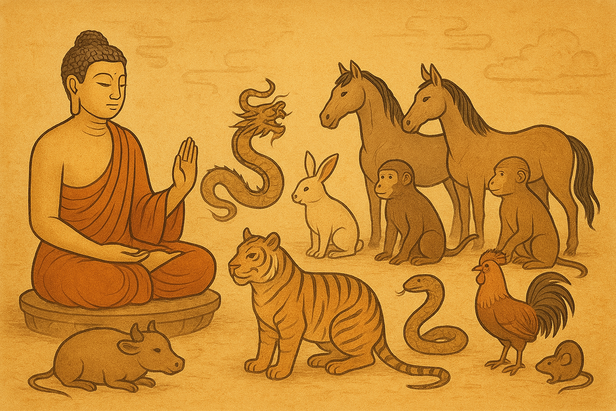
One story tells of how the Buddha invited animals to visit him before leaving the earth. Twelve animals answered the call, and they became the signs of the zodiac. Each animal carries karmic lessons. For example, the ox teaches patience and diligence, while the rabbit teaches caution and kindness. To align with the virtues of one’s zodiac animal was thought to help purify karma and lead to a smoother path in life.
Another story is about Guanyin, the goddess of mercy, who is often depicted accompanied by a parrot or riding a lion. These animals symbolize compassion and courage. Guanyin herself was said to intervene to protect animals from suffering, reminding people that mercy toward animals was an essential way to cleanse one’s soul.
In this tradition, animals are interwoven with human destiny. By honoring their lessons and caring for their well-being, humans can release karmic burdens and align with cosmic balance.
What can these myths from diverse cultures teach us today? Modern society often distances humans from animals. Many people live in cities where they see few creatures beyond pets or stray animals. Industrial systems sometimes hide the realities of animal suffering. Yet the myths remind us that ignoring animals means ignoring a part of our own spiritual health.
Here are some practical ways to apply these ancient teachings to cleanse karma in everyday life:
When we reflect on these myths, a deeper meaning emerges. Animals remind us of humility. Humans are not the rulers of the world but part of an interconnected web of life. To harm animals is to harm ourselves, creating karmic debts that weigh heavily on the soul. To care for them is to cleanse those debts and open space for blessings.
The myths also teach that spiritual cleansing is not abstract. It is not something achieved only through rituals or prayers. It is lived out in daily actions, in the food we choose, the kindness we show, and the respect we give to all creatures.
Animals become mirrors of our inner state. If we treat them with cruelty, we reveal a hardened heart. If we treat them with compassion, we reveal a soul ready for growth.
Throughout history, myths from every culture have echoed the same truth. If you want to cleanse your karma, start with animals. They are more than companions or helpers. They are teachers, protectors, and sacred beings who reflect the state of our hearts. Whether it is the Indian stories of loyalty, the Greek tales of divine messengers, the Egyptian reverence for sacred creatures, the Native American respect for relatives, or the Chinese zodiac traditions, the message is always the same.
Cleansing karma is not some distant goal waiting in another lifetime. It begins here and now, in the way we treat the creatures that share this world with us. When we choose to protect them, respect them, and learn from them, we lighten the weight of our past and open the door to a brighter, more peaceful future. Let these ancient stories be your guide. Approach animals with compassion, and you may discover that the path to cleansing your karma has been right beside you all along.
Discover expert advice and the latest tips on pet care, training, health, and more. Stay updated with all things pets at Times Pets!
Frequently Asked Questions[FAQs]
Why Animals Matter in the Cycle of Karma
When humans harmed animals needlessly, myths warned of spiritual decline. When humans treated them with respect, myths promised renewal and blessings. In this sense, animals act as a bridge between the physical and spiritual worlds. They test our ability to act with compassion, patience, and humility.
Cleansing karma, according to these traditions, begins with changing how we see and treat the creatures around us.
Ancient Indian Myths: The Sacred Duty to Protect
One well-known tale from the Jataka stories describes the Buddha in one of his previous lives as a compassionate king who spared the lives of animals meant for sacrifice. By rejecting violence and protecting these creatures, he accumulated great merit that advanced his spiritual path.
Another Indian myth speaks of Yudhishthira, the eldest of the Pandava brothers in the Mahabharata. At the end of his life, he journeys toward heaven accompanied by a loyal dog. When the gods tell him he must abandon the animal to enter paradise, Yudhishthira refuses, saying he cannot betray the one creature who remained loyal to him. His compassion toward the dog is what ultimately grants him entry into heaven.
These stories highlight that karmic cleansing comes not only from grand spiritual acts but also from everyday kindness to animals. In feeding, sheltering, and protecting them, humans cleanse past wrongs and generate blessings.
Ancient Greek Myths: Animals as Messengers of the Gods
One myth tells of the goddess Artemis, protector of wild animals. When King Agamemnon killed a sacred deer before sailing to Troy, Artemis punished him by sending storms to block his fleet. To cleanse his wrongdoing, he was told he must make a great sacrifice. The story illustrates the karmic principle: harm to animals creates imbalance that eventually requires atonement.
On the other hand, myths also show animals helping humans cleanse their spirits. Dolphins were seen as rescuers of sailors in distress, and they symbolized divine forgiveness. Those who treated dolphins kindly were thought to gain safe passage across the seas, both physical and spiritual.
Greek myths remind us that animals were not beneath humans but connected to them through sacred bonds. By respecting animals, people aligned themselves with divine justice and cleared their path from misfortune.
Egyptian Myths: Animals as Sacred Guardians
The goddess Bastet, often depicted as a cat, was associated with protection, fertility, and joy. To harm a cat in Egypt was not just a crime but a spiritual violation that attracted curses. On the other hand, caring for cats and other animals was believed to cleanse impurities and bring divine favor.
Another example comes from Anubis, the jackal-headed god of the afterlife. He was thought to weigh the heart of the deceased against the feather of truth. Those who had mistreated animals and shown cruelty would find their hearts heavy with karmic debt, unfit for eternal peace.
In this way, Egyptian myths taught that how one treated animals was directly linked to how one’s soul would be judged. Respecting animals was a form of cleansing karma, ensuring a lighter heart in the afterlife.
Native American Myths: Animals as Teachers of Balance
For example, many tribes tell stories of the bear as a healer. The bear is seen as a symbol of introspection and courage. By observing the bear’s way of living, humans learn patience and respect for cycles of life. Showing kindness to bears and other animals in myth cleanses the spirit and restores harmony with the land.
The Lakota tell stories of the buffalo as a sacred gift. The White Buffalo Calf Woman brought teachings about respect, gratitude, and responsibility. To waste or abuse animals like the buffalo was to invite misfortune, while to honor them was to secure blessings for the community.
Through these myths, Native American cultures highlight that cleansing karma requires humans to see animals not as property but as spiritual relatives. Respect, gratitude, and humility toward them clear the soul of selfishness and open the way to harmony.
Chinese Myths: The Cycle of Animals and Rebirth
Chinese mythology
Image credit : Chatgpt[Ai]
One story tells of how the Buddha invited animals to visit him before leaving the earth. Twelve animals answered the call, and they became the signs of the zodiac. Each animal carries karmic lessons. For example, the ox teaches patience and diligence, while the rabbit teaches caution and kindness. To align with the virtues of one’s zodiac animal was thought to help purify karma and lead to a smoother path in life.
Another story is about Guanyin, the goddess of mercy, who is often depicted accompanied by a parrot or riding a lion. These animals symbolize compassion and courage. Guanyin herself was said to intervene to protect animals from suffering, reminding people that mercy toward animals was an essential way to cleanse one’s soul.
In this tradition, animals are interwoven with human destiny. By honoring their lessons and caring for their well-being, humans can release karmic burdens and align with cosmic balance.
Lessons for Modern Life
Here are some practical ways to apply these ancient teachings to cleanse karma in everyday life:
- Practice kindness to all animals
Feed stray animals, provide water for birds, or volunteer at shelters. Small acts of care carry powerful karmic energy. - Adopt instead of buying
Choosing to adopt pets instead of purchasing them supports the idea of compassion over profit and reduces animal suffering.
- Avoid unnecessary harm
Be mindful of the products you consume. Choosing cruelty-free items or reducing animal exploitation aligns your lifestyle with karmic balance.
- Learn from animal behavior
Observe animals for lessons in patience, resilience, loyalty, and adaptability. Integrating their wisdom can help cleanse negative patterns in your life.
- Offer gratitude
Many traditions stress the importance of gratitude toward animals. Thank them for companionship, nourishment, and the role they play in ecosystems. Gratitude itself is a form of karmic purification.
The Deeper Meaning of Animal Connection
The myths also teach that spiritual cleansing is not abstract. It is not something achieved only through rituals or prayers. It is lived out in daily actions, in the food we choose, the kindness we show, and the respect we give to all creatures.
Animals become mirrors of our inner state. If we treat them with cruelty, we reveal a hardened heart. If we treat them with compassion, we reveal a soul ready for growth.
Cleansing karma is not some distant goal waiting in another lifetime. It begins here and now, in the way we treat the creatures that share this world with us. When we choose to protect them, respect them, and learn from them, we lighten the weight of our past and open the door to a brighter, more peaceful future. Let these ancient stories be your guide. Approach animals with compassion, and you may discover that the path to cleansing your karma has been right beside you all along.
Discover expert advice and the latest tips on pet care, training, health, and more. Stay updated with all things pets at Times Pets!
Frequently Asked Questions[FAQs]
- Can caring for animals really help cleanse karma?
Yes, many spiritual traditions believe that acts of compassion toward animals can reduce negative karmic energy. Feeding, protecting, or showing kindness to animals reflects empathy and humility, which are qualities that purify the soul. - What do ancient myths say about animals and karma?
Ancient myths from cultures like India, Greece, Egypt, Native America, and China emphasize that animals are sacred beings connected to the spiritual order. Treating animals with respect is seen as a way to gain blessings, while cruelty toward them leads to karmic debts. - How can I apply these teachings in daily life?
You can start by practicing small acts of kindness such as feeding strays, providing water for birds, adopting pets instead of buying, or supporting cruelty-free products. Even simple acts of respect can have a powerful karmic impact. - Is cleansing karma only about animals?
Not entirely. While animals play an important role, karma also relates to how we treat other humans and the natural world.