
7 Species That Punish Those Who Break the Rules
Kashish Pandey | Apr 15, 2026, 16:33 IST

jaguar
Image credit : Pixabay
In the wild, survival depends on cooperation and order. Many animal species follow strict social rules, and those who break them often face punishment. This article explores seven fascinating species that enforce discipline within their groups. From insects to mammals, these behaviors show how deeply rooted justice is in nature. Discover how animals maintain balance and why rule-breaking rarely goes unnoticed.
Nature is often seen as wild and unpredictable, but in many animal societies, there are clear rules that keep everything running smoothly. These rules are not written down, yet they are strongly enforced. When an individual steps out of line, the consequences can be serious. From being ignored to being completely cast out, animals have their own ways of dealing with troublemakers. Here are seven fascinating species that do not tolerate rule-breakers.
![mongoose]()
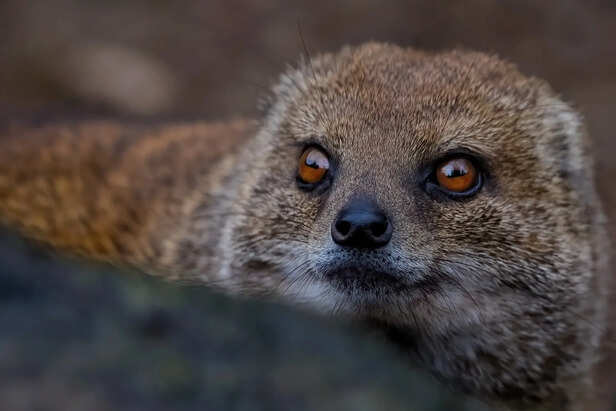
Meerkats are known for their teamwork. In their groups, every adult has a role, especially when it comes to caring for the young. While some go out to find food, others stay behind to babysit.
If a meerkat avoids its responsibilities, the group notices. It might not get as much food or may be pushed aside during important activities. In harsher situations, the group may even force it to leave. For a meerkat, being alone in the wild is extremely dangerous, so this is a serious punishment.
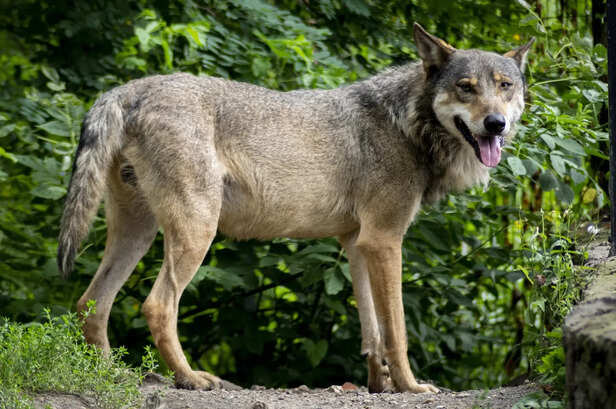
![wolf]() Wolves live in packs where structure matters. Each member knows its place, and the leaders guide the group.
Wolves live in packs where structure matters. Each member knows its place, and the leaders guide the group.
When a wolf acts out or challenges the order without reason, it can face immediate consequences. Other wolves may show aggression or force it to submit. If the behavior continues, the wolf might be driven away from the pack. Since survival is much harder alone, this is one of the toughest penalties a wolf can face.
Cleaner fish have a unique job. They remove parasites from larger fish, creating a win-win relationship.
But sometimes, they cheat by taking a bite of healthy skin instead. When this happens, the larger fish react quickly, often chasing them away. Over time, dishonest cleaner fish lose clients. Without that trust, they struggle to find food, which shows how important it is to stick to the rules.
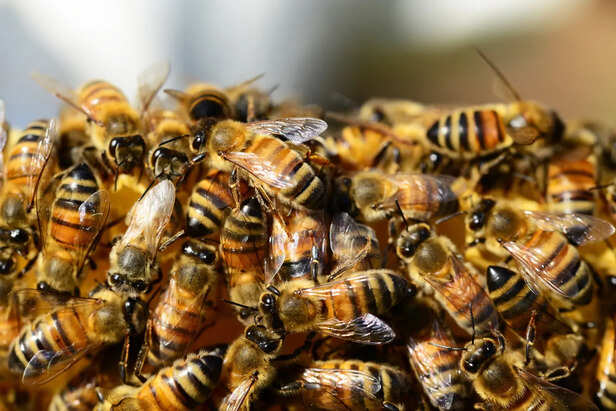
![honey bees]() A honeybee colony runs like a well-organized system. Every bee has a purpose, and the survival of the hive depends on cooperation.
A honeybee colony runs like a well-organized system. Every bee has a purpose, and the survival of the hive depends on cooperation.
If a worker bee stops doing its job or tries to act outside its role, the others step in. They may attack or even kill the bee causing the disruption. While it sounds harsh, this behavior keeps the colony strong and focused.
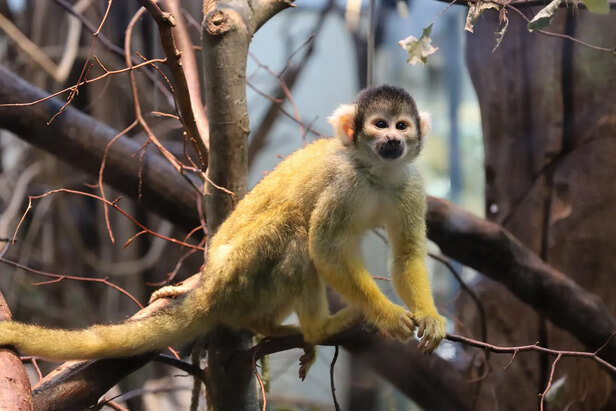
![capuhin monkeys]() Capuchin monkeys are surprisingly sensitive to fairness. They notice when something is not right, especially when rewards are involved.
Capuchin monkeys are surprisingly sensitive to fairness. They notice when something is not right, especially when rewards are involved.
If one monkey takes more than its share or refuses to cooperate, others may react with aggression or avoid it altogether. This social pressure helps keep things balanced and prevents conflict within the group.
Ants are masters of organization. Every member of the colony works toward a common goal.
If a worker ant tries to reproduce or act against the colony’s needs, it is quickly dealt with. Other ants may destroy its eggs or attack it. These strict actions ensure that the colony stays efficient and survives.
Chimpanzees share many similarities with humans, especially in their social behavior. Relationships and trust are very important to them.
When a chimpanzee behaves selfishly or disrupts the group, others may punish it by excluding it or showing aggression. Since being part of the group is essential for safety and support, losing that connection can have serious effects.
These behaviors might seem harsh, but they serve an important purpose. In the wild, survival often depends on teamwork. When individuals act selfishly, it can put the entire group at risk.
By discouraging rule-breaking, these species create stronger and more stable communities. Cooperation helps them find food, protect each other, and raise their young successfully.
The idea of rules and consequences is not just a human concept. Across the animal kingdom, many species rely on cooperation and discipline to survive.
Whether it is a meerkat skipping its duties or a chimpanzee breaking social trust, the outcome is often the same. Actions have consequences. These natural systems remind us that working together and respecting others is not just important for humans, but for life as a whole.
Discover expert advice and the latest tips on pet care, training, health, and more. Stay updated with all things pets at Times Pets!
Frequently Asked Questions[FAQs]
1. Meerkats: Everyone Must Do Their Part
mongoose
Image credit : Pixabay
Meerkats are known for their teamwork. In their groups, every adult has a role, especially when it comes to caring for the young. While some go out to find food, others stay behind to babysit.
If a meerkat avoids its responsibilities, the group notices. It might not get as much food or may be pushed aside during important activities. In harsher situations, the group may even force it to leave. For a meerkat, being alone in the wild is extremely dangerous, so this is a serious punishment.
2. Wolves: Respect Is Everything
wolf
Image credit : Pixabay
When a wolf acts out or challenges the order without reason, it can face immediate consequences. Other wolves may show aggression or force it to submit. If the behavior continues, the wolf might be driven away from the pack. Since survival is much harder alone, this is one of the toughest penalties a wolf can face.
3. Cleaner Fish: Trust Is Key
But sometimes, they cheat by taking a bite of healthy skin instead. When this happens, the larger fish react quickly, often chasing them away. Over time, dishonest cleaner fish lose clients. Without that trust, they struggle to find food, which shows how important it is to stick to the rules.
4. Honeybees: No Tolerance for Disruption
honey bees
Image credit : Pixabay
If a worker bee stops doing its job or tries to act outside its role, the others step in. They may attack or even kill the bee causing the disruption. While it sounds harsh, this behavior keeps the colony strong and focused.
5. Capuchin Monkeys: Fairness Matters
capuhin monkeys
Image credit : Pixabay
If one monkey takes more than its share or refuses to cooperate, others may react with aggression or avoid it altogether. This social pressure helps keep things balanced and prevents conflict within the group.
6. Ants: The Ultimate Rule Enforcers
Ants are masters of organization. Every member of the colony works toward a common goal.
If a worker ant tries to reproduce or act against the colony’s needs, it is quickly dealt with. Other ants may destroy its eggs or attack it. These strict actions ensure that the colony stays efficient and survives.
7. Chimpanzees: Social Life Has Consequences
Chimpanzees share many similarities with humans, especially in their social behavior. Relationships and trust are very important to them.
When a chimpanzee behaves selfishly or disrupts the group, others may punish it by excluding it or showing aggression. Since being part of the group is essential for safety and support, losing that connection can have serious effects.
Why Animals Enforce Rules
These behaviors might seem harsh, but they serve an important purpose. In the wild, survival often depends on teamwork. When individuals act selfishly, it can put the entire group at risk.
By discouraging rule-breaking, these species create stronger and more stable communities. Cooperation helps them find food, protect each other, and raise their young successfully.
The idea of rules and consequences is not just a human concept. Across the animal kingdom, many species rely on cooperation and discipline to survive.
Whether it is a meerkat skipping its duties or a chimpanzee breaking social trust, the outcome is often the same. Actions have consequences. These natural systems remind us that working together and respecting others is not just important for humans, but for life as a whole.
Discover expert advice and the latest tips on pet care, training, health, and more. Stay updated with all things pets at Times Pets!
Frequently Asked Questions[FAQs]
- Which animals punish members of their own group?
Many social animals enforce rules within their groups. Species like meerkats, wolves, chimpanzees, ants, honeybees, cleaner fish, and capuchin monkeys are known to punish individuals that break social norms. These punishments help maintain order and cooperation. - Why do animals punish rule breakers?
Animals punish rule breakers to protect the stability of their group. Cooperation is essential for survival in the wild, and selfish behavior can put everyone at risk. By discouraging such actions, groups function more efficiently and safely. - How do meerkats enforce rules in their groups?
Meerkats rely on teamwork, especially for tasks like babysitting and foraging. If a member avoids its duties, it may be denied food or excluded from group activities. In serious cases, it can be forced out of the group.