
Aggression in Pets: Warning Signs Before It Escalates
Upasna Yadav | Apr 15, 2026, 13:30 IST

Aggression Escalation Stages
Image credit : Pexels
Aggression in pets is not a sudden behavior but a gradual escalation of emotional responses such as fear, stress, pain, or territorial instincts. This article explores how pets communicate discomfort through subtle body language and micro-signals before aggression becomes visible. It provides a detailed understanding of different types of aggression, species-specific behaviors, and the role of past experiences, hormones, and environmental triggers.
Highlights
1. Aggression in pets is often a response to fear, stress, pain, or environmental triggers. Pets display early warning signs like body stiffness, avoidance, and vocal cues before becoming aggressive.
2. Pain-related aggression is sudden and should always be medically evaluated. Environmental changes and lack of routine can trigger aggressive reactions. Positive reinforcement and behavior training are more effective than punishment.
3. Early detection and intervention can prevent escalation and ensure safety. Building trust through consistency and care helps reduce long-term aggression.
2. Pain-related aggression is sudden and should always be medically evaluated. Environmental changes and lack of routine can trigger aggressive reactions. Positive reinforcement and behavior training are more effective than punishment.
3. Early detection and intervention can prevent escalation and ensure safety. Building trust through consistency and care helps reduce long-term aggression.
What Causes Aggression in Pets?
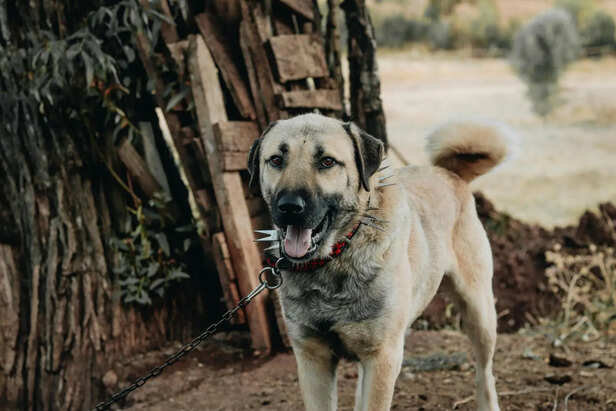
Understanding Aggressive Pet Body Language
Image credit : Pexels
Aggression is usually a response to a trigger rather than a personality trait. Common causes include:
- Fear or anxiety (new environments, loud noises, unfamiliar people)
- Territorial instincts (protecting space, food, or toys)
- Pain or illness (hidden injuries or discomfort)
- Lack of socialization (especially in early life stages
- Frustration or overstimulation
- Hormonal influences
Early Warning Signs of Aggression
1. Body Stiffness
2. Growling, Hissing, or Low Vocalization
3. Avoidance or Withdrawal
4. Intense Staring
5. Raised Fur or Feathers
6. Tail and Ear Changes
Ears flattened or pinned back
These are strong indicators of discomfort or agitation.
7. Snapping or Mock Biting
How to Prevent Aggression from Escalating ?

Safe Interaction with an Aggressive Pet
Image credit : Pexels
1. Respect Boundaries
2. Identify Triggers
3. Provide Proper Socialization
4. Maintain Routine
5. Ensure Proper Nutrition
6. Seek Professional Help
Types of Aggression in Pets
Different types of aggression can help pinpoint underlying issues:
- Fear-based aggression – triggered by perceived threats
- Territorial aggression – protecting space or territory
- Protective aggression – guarding owners or offspring
- Possessive aggression – defending food, toys, or objects
- Redirected aggression – reacting to something else but targeting nearby individuals
Role of Past Trauma and Experiences
Pets with a history of neglect, abuse, or poor socialization may develop defensive aggression. These pets often react more quickly and intensely to perceived threats, requiring patience and structured rehabilitation.
Impact of Hormones and Age
Hormonal changes during puberty or breeding seasons can increase aggression. Aging pets may also show irritability due to pain, reduced vision, or cognitive decline.
Environmental Triggers to Watch For
- Loud noises (fireworks, thunderstorms)
- Crowded or unfamiliar environments
- New pets or people in the home
- Sudden changes in routine
Celebrate the bond with your pets, explore Health & Nutrition, discover Breeds, master Training Tips, Behavior Decoder, and set out on exciting Travel Tails with Times Pets!
Frequently asked questions (FAQs)
- How can I tell if my pet is about to become aggressive?
Pets usually show warning signs before becoming aggressive. These may include growling, hissing, stiff body posture, flattened ears, raised fur, intense staring, or showing teeth. Recognizing these early signals can help prevent escalation. - Is aggression in pets a sign of poor training?
Not always. While lack of training or improper socialization can contribute to aggression, it is not the only cause. Genetics, environment, fear, and health conditions also play significant roles in shaping a pet’s behavior. - Can aggressive behavior be cured or managed?
Yes, in most cases, aggressive behavior can be managed and improved with proper training, behavior modification, and sometimes professional help. Consistency, patience, and positive reinforcement techniques are key to success.