
7 Things Dying Dogs Often Do Before Saying Goodbye
Deepak Rajeev | May 15, 2026, 17:15 IST

The Goodbye Humans Never Forget (Image Credit: AI)
This emotional article explores seven common behaviors dogs often show near the end of life. Backed by veterinary insights and real-world experiences, it explains why some dogs become unusually affectionate, withdraw into isolation, stare silently at owners, or wait for loved ones before passing. The article reveals the profound emotional bond between humans and dogs and why their final moments leave lasting emotional impact.
Few experiences are as emotionally painful as watching a beloved dog approach the end of its life. For millions of dog owners around the world, the final days of a pet are filled with confusion, grief, guilt, and a desperate search for meaning in every small behavior. Veterinarians and animal behavior experts explain that dogs often show subtle physical and emotional changes near the end of life, many of which humans interpret as a form of “goodbye.” While science cannot confirm whether dogs understand death in the same way humans do, research increasingly shows that dogs experience deep emotional attachment, environmental awareness, and social bonding. Their final behaviors are often shaped by instinct, physical decline, emotional connection, and the powerful routines they shared with humans throughout life.
Across veterinary clinics, hospice care programs, and countless real-world family stories, certain behaviors appear again and again during a dog’s final stage of life. Some are heartbreaking. Some are surprisingly peaceful. But nearly all of them leave permanent emotional marks on the humans who witness them.
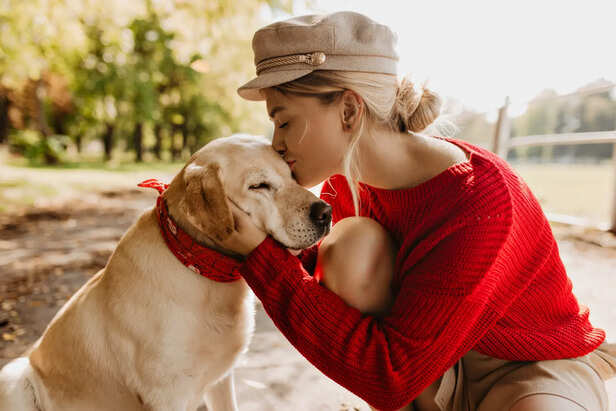
![The Goodbye Humans Never Forget]() One of the most commonly reported behaviors in dying dogs is a sudden increase in closeness and affection toward their owners. Veterinarians frequently observe dogs seeking physical contact more intensely during their final days, even if they were previously independent animals. Some dogs begin following their owners from room to room, resting their heads on laps more often, or sleeping beside humans throughout the night. Animal behavior experts believe this may partly stem from vulnerability and a natural desire for safety during physical decline.
One of the most commonly reported behaviors in dying dogs is a sudden increase in closeness and affection toward their owners. Veterinarians frequently observe dogs seeking physical contact more intensely during their final days, even if they were previously independent animals. Some dogs begin following their owners from room to room, resting their heads on laps more often, or sleeping beside humans throughout the night. Animal behavior experts believe this may partly stem from vulnerability and a natural desire for safety during physical decline.
In real-life hospice care stories, many owners describe their dogs quietly staring at them for long periods or remaining physically close in silence. These moments are often interpreted emotionally as the dog trying to stay connected to its trusted companion before death. Researchers studying canine attachment note that dogs form deep social bonds through scent, voice recognition, and daily routine. Near the end of life, these attachment behaviors can become even stronger.
![The Goodbye Humans Never Forget]() While some dogs become clingier, others do the opposite. Veterinary experts explain that many dying dogs instinctively seek quiet or isolated spaces during their final stage of life. This behavior has roots in ancient survival instincts. In the wild, weak or dying animals often separate themselves from the group to avoid attracting predators or creating vulnerability for the pack.
While some dogs become clingier, others do the opposite. Veterinary experts explain that many dying dogs instinctively seek quiet or isolated spaces during their final stage of life. This behavior has roots in ancient survival instincts. In the wild, weak or dying animals often separate themselves from the group to avoid attracting predators or creating vulnerability for the pack.
Real-world owners frequently report finding elderly dogs hiding under beds, sitting alone in closets, or resting quietly in corners they normally ignored. Some dogs wander into secluded outdoor areas and remain there silently. Animal hospice workers say this behavior can be emotionally devastating because it feels like the dog is emotionally pulling away. However, experts believe it is usually instinctive rather than rejection.
3. Changes in Eye Contact and Silent Staring Become More Common
Many grieving owners describe unforgettable moments of prolonged eye contact shortly before a dog dies. Veterinarians and animal cognition researchers note that dogs use eye contact as an important social bonding behavior with humans. Studies have shown that mutual gazing between dogs and owners can increase oxytocin levels, the same bonding hormone associated with parent-child attachment in humans.
Near the end of life, some dogs appear to stare at their owners for unusually long periods without barking, moving, or demanding attention. In emotional real-world accounts, owners often describe these moments as feeling deeply intentional or hauntingly calm. Although science cannot confirm emotional interpretation, experts acknowledge that dogs are highly sensitive to emotional tone, physical presence, and familiar human faces during times of stress or illness.
One of the clearest physical signs of approaching death in dogs is the gradual loss of interest in food, play, and daily routine. Veterinary experts explain that as organ systems weaken, appetite naturally declines. But emotionally, this change can be especially painful for owners because dogs often stop engaging in the activities that once defined their personality. A dog that once ran excitedly for walks may suddenly avoid movement entirely. A food-motivated dog may refuse favorite treats. Others stop reacting to toys, doorbells, or familiar sounds.
In many real-life stories, owners describe this stage as the moment they emotionally realized goodbye was approaching. Experts explain that declining interest in routine is not emotional abandonment, but a sign that the body is conserving energy during physical shutdown.
Veterinarians note that altered breathing patterns are among the most common medical signs near the end of life. Dogs approaching death may breathe more slowly, more heavily, or irregularly due to pain, organ failure, or weakness. Some dogs appear restless during breathing changes, while others become unusually calm and sleepy. Animal hospice professionals often explain to families that these changes are part of the body gradually slowing down. In emotional family accounts, owners frequently describe sitting beside their dog during these final quiet hours, listening to changing breaths and recognizing that time is running short. For many people, these moments become some of the most emotionally unforgettable experiences of their lives.
One of the most mysterious and emotional patterns reported by veterinarians involves dogs appearing to hold on until a specific person arrives. Hospice workers and emergency veterinarians have documented numerous cases where critically ill dogs remained alive until a family member returned home or entered the room. Science cannot fully explain this phenomenon. However, experts acknowledge that dogs are deeply responsive to familiar voices, scent recognition, and emotional comfort.
In some heartbreaking cases, owners who stepped away briefly returned moments later to find their dog had passed peacefully. Others describe dogs waiting until children came home from school or distant relatives arrived before finally letting go. Whether coincidence or emotional awareness, these stories continue to affect millions because they suggest a level of connection that feels profoundly human.
Perhaps the most emotionally common theme in end-of-life dog stories is simple companionship. Veterinary hospice experts repeatedly observe that many dogs appear calmest when resting near trusted humans during their final moments. Some place their heads gently on an owner’s hand. Others sleep quietly beside familiar voices or respond softly to touch even when physically weak. Animal behavior researchers explain that dogs rely heavily on human presence for emotional security, especially during stress or confusion. The familiar scent, voice, and touch of a loved owner may help reduce anxiety near the end of life.
For grieving families, these final quiet moments often remain permanently etched into memory. Long after the pain fades, many owners remember the final look, final touch, or final peaceful silence shared with their dog.
Psychologists and grief researchers explain that the loss of a dog can feel emotionally overwhelming because dogs are woven into human routine, comfort, and identity. Unlike many relationships, canine companionship is often built on unconditional presence rather than judgment or complexity. This is why the final behaviors of dogs feel so emotionally powerful. Humans naturally search for meaning in those moments because the bond itself is deeply personal. Studies on pet grief have shown that losing a dog can trigger emotional responses comparable to losing close family members. The routines, attachment, and daily emotional support dogs provide become central parts of human life.
Final Insight: The Goodbye Humans Never Forget
No scientific study can fully explain what dogs understand about death. But countless real-world experiences reveal one undeniable truth: dogs form profound emotional bonds with humans. Whether they seek closeness, stare silently, isolate themselves, or wait beside their owners in peace, their final behaviors often feel deeply emotional because they reflect a lifetime of trust and companionship. For many people, the hardest part is not simply losing a dog. It is realizing that a creature who loved so purely is quietly preparing to leave. And that final goodbye, no matter how silent, is something most owners never truly forget.
Celebrate the bond with your pets, explore Health & Nutrition, discover Breeds, master Training Tips, Behavior Decoder, and set out on exciting Travel Tails with Times Pets!
Across veterinary clinics, hospice care programs, and countless real-world family stories, certain behaviors appear again and again during a dog’s final stage of life. Some are heartbreaking. Some are surprisingly peaceful. But nearly all of them leave permanent emotional marks on the humans who witness them.
1. Many Dogs Suddenly Become Unusually Affectionate
The Goodbye Humans Never Forget
Image credit : Freepik
In real-life hospice care stories, many owners describe their dogs quietly staring at them for long periods or remaining physically close in silence. These moments are often interpreted emotionally as the dog trying to stay connected to its trusted companion before death. Researchers studying canine attachment note that dogs form deep social bonds through scent, voice recognition, and daily routine. Near the end of life, these attachment behaviors can become even stronger.
2. Some Dogs Quietly Withdraw and Seek Isolation

The Goodbye Humans Never Forget
Image credit : Freepik
Real-world owners frequently report finding elderly dogs hiding under beds, sitting alone in closets, or resting quietly in corners they normally ignored. Some dogs wander into secluded outdoor areas and remain there silently. Animal hospice workers say this behavior can be emotionally devastating because it feels like the dog is emotionally pulling away. However, experts believe it is usually instinctive rather than rejection.
3. Changes in Eye Contact and Silent Staring Become More Common
Many grieving owners describe unforgettable moments of prolonged eye contact shortly before a dog dies. Veterinarians and animal cognition researchers note that dogs use eye contact as an important social bonding behavior with humans. Studies have shown that mutual gazing between dogs and owners can increase oxytocin levels, the same bonding hormone associated with parent-child attachment in humans.
Near the end of life, some dogs appear to stare at their owners for unusually long periods without barking, moving, or demanding attention. In emotional real-world accounts, owners often describe these moments as feeling deeply intentional or hauntingly calm. Although science cannot confirm emotional interpretation, experts acknowledge that dogs are highly sensitive to emotional tone, physical presence, and familiar human faces during times of stress or illness.
4. Appetite and Favorite Rituals Often Begin to Disappear
One of the clearest physical signs of approaching death in dogs is the gradual loss of interest in food, play, and daily routine. Veterinary experts explain that as organ systems weaken, appetite naturally declines. But emotionally, this change can be especially painful for owners because dogs often stop engaging in the activities that once defined their personality. A dog that once ran excitedly for walks may suddenly avoid movement entirely. A food-motivated dog may refuse favorite treats. Others stop reacting to toys, doorbells, or familiar sounds.
In many real-life stories, owners describe this stage as the moment they emotionally realized goodbye was approaching. Experts explain that declining interest in routine is not emotional abandonment, but a sign that the body is conserving energy during physical shutdown.
5. Breathing Patterns Often Change Dramatically
Veterinarians note that altered breathing patterns are among the most common medical signs near the end of life. Dogs approaching death may breathe more slowly, more heavily, or irregularly due to pain, organ failure, or weakness. Some dogs appear restless during breathing changes, while others become unusually calm and sleepy. Animal hospice professionals often explain to families that these changes are part of the body gradually slowing down. In emotional family accounts, owners frequently describe sitting beside their dog during these final quiet hours, listening to changing breaths and recognizing that time is running short. For many people, these moments become some of the most emotionally unforgettable experiences of their lives.
6. Some Dogs Wait for Certain Humans Before Letting Go
One of the most mysterious and emotional patterns reported by veterinarians involves dogs appearing to hold on until a specific person arrives. Hospice workers and emergency veterinarians have documented numerous cases where critically ill dogs remained alive until a family member returned home or entered the room. Science cannot fully explain this phenomenon. However, experts acknowledge that dogs are deeply responsive to familiar voices, scent recognition, and emotional comfort.
In some heartbreaking cases, owners who stepped away briefly returned moments later to find their dog had passed peacefully. Others describe dogs waiting until children came home from school or distant relatives arrived before finally letting go. Whether coincidence or emotional awareness, these stories continue to affect millions because they suggest a level of connection that feels profoundly human.
7. Many Dogs Seek One Final Moment of Peace Beside Their Owner
Perhaps the most emotionally common theme in end-of-life dog stories is simple companionship. Veterinary hospice experts repeatedly observe that many dogs appear calmest when resting near trusted humans during their final moments. Some place their heads gently on an owner’s hand. Others sleep quietly beside familiar voices or respond softly to touch even when physically weak. Animal behavior researchers explain that dogs rely heavily on human presence for emotional security, especially during stress or confusion. The familiar scent, voice, and touch of a loved owner may help reduce anxiety near the end of life.
For grieving families, these final quiet moments often remain permanently etched into memory. Long after the pain fades, many owners remember the final look, final touch, or final peaceful silence shared with their dog.
Why These Final Behaviors Affect Humans So Deeply
Psychologists and grief researchers explain that the loss of a dog can feel emotionally overwhelming because dogs are woven into human routine, comfort, and identity. Unlike many relationships, canine companionship is often built on unconditional presence rather than judgment or complexity. This is why the final behaviors of dogs feel so emotionally powerful. Humans naturally search for meaning in those moments because the bond itself is deeply personal. Studies on pet grief have shown that losing a dog can trigger emotional responses comparable to losing close family members. The routines, attachment, and daily emotional support dogs provide become central parts of human life.
Final Insight: The Goodbye Humans Never Forget
No scientific study can fully explain what dogs understand about death. But countless real-world experiences reveal one undeniable truth: dogs form profound emotional bonds with humans. Whether they seek closeness, stare silently, isolate themselves, or wait beside their owners in peace, their final behaviors often feel deeply emotional because they reflect a lifetime of trust and companionship. For many people, the hardest part is not simply losing a dog. It is realizing that a creature who loved so purely is quietly preparing to leave. And that final goodbye, no matter how silent, is something most owners never truly forget.
Celebrate the bond with your pets, explore Health & Nutrition, discover Breeds, master Training Tips, Behavior Decoder, and set out on exciting Travel Tails with Times Pets!