
7 Signs Your Dog Is Secretly Stressed (Most Owners Miss This)
Deepak Rajeev | Mar 21, 2026, 23:03 IST

Signs of Stress in Dogs
Image credit : Freepik
Dogs may not speak our language, but they are always communicating. The problem is, stress in dogs rarely looks dramatic. It doesn’t always come with barking or aggression. More often, it hides in small, everyday behaviours- things we brush off as quirks or habits. But beneath those subtle changes is a deeper emotional reality. Understanding these quiet signals can be the difference between a dog that is simply “acting different” and one that is silently struggling.
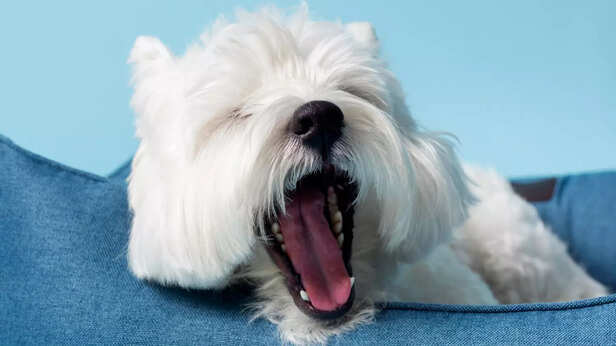
![Yawning]() Yawning is not always about sleep. When a dog yawns repeatedly in situations that aren’t related to rest, it can be a sign of stress or anxiety. This behavior often appears in uncomfortable environments, such as vet visits or unfamiliar places, and is the body’s way of trying to self-soothe.
Yawning is not always about sleep. When a dog yawns repeatedly in situations that aren’t related to rest, it can be a sign of stress or anxiety. This behavior often appears in uncomfortable environments, such as vet visits or unfamiliar places, and is the body’s way of trying to self-soothe.
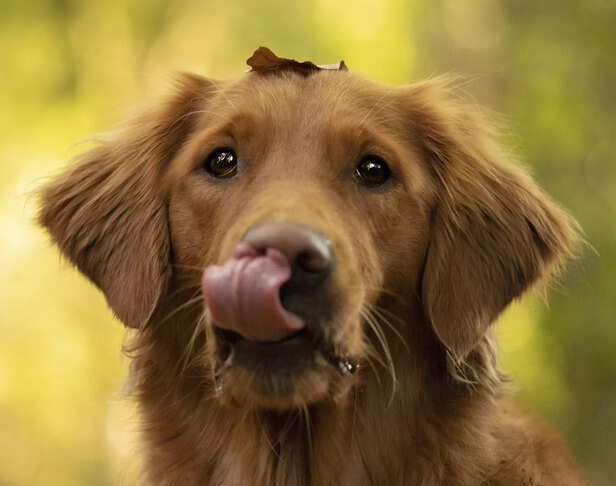
![Lip Licking Dog]() Lip licking might seem harmless, but when it happens without the presence of food, it can signal nervousness. Dogs use this subtle gesture as a calming signal, especially when they feel uneasy or overwhelmed by their surroundings.
Lip licking might seem harmless, but when it happens without the presence of food, it can signal nervousness. Dogs use this subtle gesture as a calming signal, especially when they feel uneasy or overwhelmed by their surroundings.
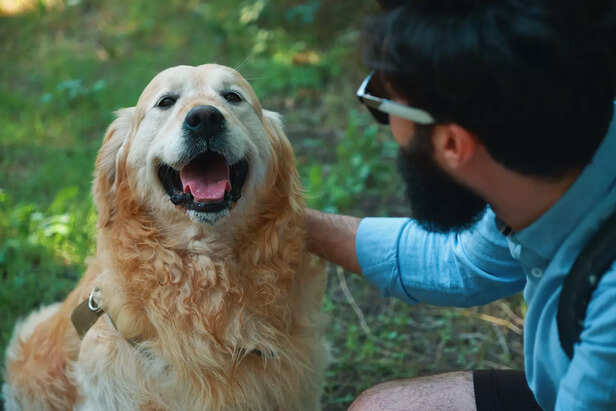
![Dogs Avoid Eye Contact When They are Stressed]() A stressed dog may deliberately avoid eye contact, turning its head away or looking down. While eye contact is often associated with bonding, avoiding it can be a sign that your dog is trying to reduce tension or avoid confrontation.
A stressed dog may deliberately avoid eye contact, turning its head away or looking down. While eye contact is often associated with bonding, avoiding it can be a sign that your dog is trying to reduce tension or avoid confrontation.
Panting is normal after exercise or in hot weather, but when it occurs without a clear reason, it may indicate stress. This is often accompanied by pacing or an inability to settle down, showing that the dog is struggling internally.
One of the most noticeable signs of stress is a shift in personality. A playful dog may become withdrawn, or a calm dog may suddenly become irritable or reactive. These changes are often misunderstood, but they are usually a response to emotional discomfort.
Dogs rely on routine for a sense of security. When stress enters the picture, it can disrupt these patterns. A loss of appetite, overeating, restless nights, or excessive sleeping are all signs that something may be wrong beneath the surface.
Stress can change how your dog connects with you. Some dogs become unusually clingy, following you everywhere in search of reassurance. Others may withdraw completely, avoiding interaction. Both reactions stem from the same need- to feel safe.
Stress in dogs is not just a behavioural issue- it’s an emotional one. Every yawn, every glance away, every small change is part of a language we often overlook. The key is not to react with frustration, but with awareness. Because in the end, your dog isn’t trying to be difficult. It’s trying to be understood.
Unlock insightful tips and inspiration on personal growth, productivity, and well-being. Stay motivated and updated with the latest at My Life XP.
Excessive Yawning When Not Tired
Yawning
Image credit : Freepik
Frequent Lip Licking Without Food
Lip Licking Dog
Image credit : Freepik
Avoiding Eye Contact
Dogs Avoid Eye Contact When They are Stressed
Image credit : Freepik
Panting and Restlessness Without Physical Cause
Panting is normal after exercise or in hot weather, but when it occurs without a clear reason, it may indicate stress. This is often accompanied by pacing or an inability to settle down, showing that the dog is struggling internally.
Sudden Changes in Behavior
One of the most noticeable signs of stress is a shift in personality. A playful dog may become withdrawn, or a calm dog may suddenly become irritable or reactive. These changes are often misunderstood, but they are usually a response to emotional discomfort.
Changes in Eating or Sleeping Patterns
Dogs rely on routine for a sense of security. When stress enters the picture, it can disrupt these patterns. A loss of appetite, overeating, restless nights, or excessive sleeping are all signs that something may be wrong beneath the surface.
Clinginess or Withdrawal
Stress can change how your dog connects with you. Some dogs become unusually clingy, following you everywhere in search of reassurance. Others may withdraw completely, avoiding interaction. Both reactions stem from the same need- to feel safe.
Listening to What Your Dog Can’t Say
Stress in dogs is not just a behavioural issue- it’s an emotional one. Every yawn, every glance away, every small change is part of a language we often overlook. The key is not to react with frustration, but with awareness. Because in the end, your dog isn’t trying to be difficult. It’s trying to be understood.
Unlock insightful tips and inspiration on personal growth, productivity, and well-being. Stay motivated and updated with the latest at My Life XP.