
7 Mistakes That Make Birds Aggressive at Home
Noopur Kumari | May 09, 2026, 11:00 IST

Pet Birds
Image credit : Freepik
Aggressive bird behaviour is rarely random. Parrots, cockatiels, budgies, and other pet birds often bite because they feel emotionally unsafe, overstimulated, territorial, stressed, or misunderstood. Many birds give warning signs before reacting aggressively, but owners unknowingly ignore those signals and force interaction too quickly. The painful truth is that birds do not bite because they enjoy hurting people. They bite because they no longer feel secure. The good news is that trust can often be rebuilt through patience, calm responses, proper handling, positive reinforcement, and understanding bird psychology instead of controlling behavior through fear or punishment.
For many bird owners, the first painful bite feels shocking. One day the bird seems calm, playful, and affectionate. Then suddenly, it bites hard, avoids interaction, or reacts aggressively during simple handling. Many owners immediately believe the bird has become “mean” or stopped loving them. But the real reason is often far deeper. Birds rarely bite without emotional cause. In most cases, aggression is actually fear, stress, confusion, overstimulation, or a desperate attempt to communicate discomfort humans failed to notice earlier. And once owners truly understand what birds are silently expressing before a bite happens, their entire relationship with the bird can begin changing completely.
![Parrot Showing Warning Body Language]()
Many bird owners believe biting happens suddenly, but birds often communicate discomfort long before aggression appears. Pinned eyes, raised feathers, tail fanning, lunging, crouching, moving away, or avoiding eye contact are common warning signs. These behaviors are the bird’s way of asking for space or expressing emotional stress. Unfortunately, humans frequently misread these signals as playful behavior and continue forcing interaction. Over time, the bird learns subtle communication is being ignored. That is when biting becomes a stronger survival response. Understanding body language is one of the most important parts of bird care because prevention usually begins before the actual bite happens.
![Scared Cockatiel Hiding Near Cage]()
Most aggressive birds are not naturally violent. They are emotionally overwhelmed or frightened. Loud noises, sudden hand movements, unfamiliar visitors, forced handling, or unstable environments can trigger defensive reactions quickly. Smaller birds especially rely heavily on survival instincts because they naturally see larger creatures as potential threats. Even loving pet birds can bite when they feel trapped or overstimulated. Owners sometimes accidentally worsen fear by chasing the bird, grabbing it forcefully, or reacting emotionally after a bite. Over time, fear-based experiences become emotionally connected with humans, causing the bird to stay constantly alert instead of feeling safe and relaxed.
![Owner Reacting Emotionally After Bird Bite]()
One of the biggest mistakes bird owners make is punishing aggression emotionally. Yelling, hitting cages, jerking hands away dramatically, or isolating the bird after a bite can increase fear significantly. Birds are highly intelligent and emotionally observant animals. They quickly associate emotional tension with danger. In some cases, dramatic reactions accidentally reward biting because the bird learns aggression creates distance and control. Calm responses work far better. Gently placing the bird down without emotional excitement teaches that biting does not control the environment. Trust-based handling builds emotional security slowly, while punishment often creates long-term anxiety and unpredictable aggressive behavior later.
Bird trust is rarely built through force. It develops through calm repetition, routine, and emotionally safe experiences. Sitting quietly near the cage, speaking softly, offering treats gently, and respecting boundaries help birds relax naturally over time. Hand-feeding favorite foods often creates strong positive emotional associations. Short daily interactions are usually more effective than long stressful handling sessions. Birds begin trusting humans when they stop expecting fear or unpredictability. This process can take weeks or months depending on past experiences, but consistency matters more than speed. In many cases, patient owners eventually develop extremely deep emotional bonds with previously fearful birds.
Birds need emotional stimulation and environmental stability to stay mentally healthy. Boredom, poor sleep, loneliness, and lack of enrichment can quietly increase aggression over time. Rotating toys, providing safe chewing activities, allowing supervised out-of-cage time, and maintaining a stable daily routine significantly improve emotional well-being. Sleep is also extremely important because overtired birds often become irritable and reactive. Many bird behavior problems improve naturally when the environment becomes calmer and more predictable. Owners sometimes focus only on stopping bites directly while ignoring the emotional stress causing the aggression underneath. Healthy environments often create calmer behavior without forceful training methods.
Celebrate the bond with your pets, explore Health & Nutrition, discover Breeds, master Training Tips, Behavior Decoder, and set out on exciting Travel Tails with Times Pets!
Birds Usually Warn Humans Before They Bite
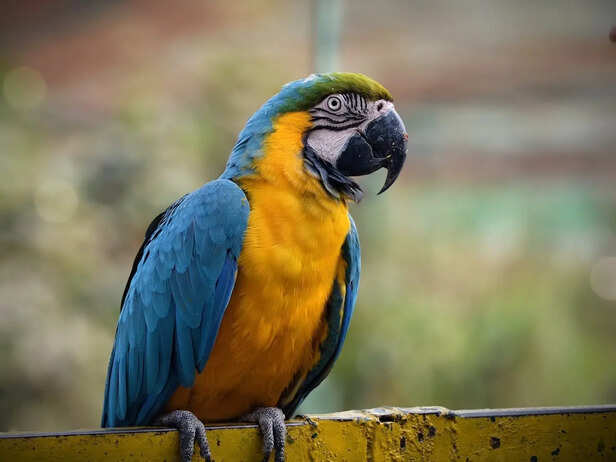
Parrot Showing Warning Body Language
Image credit : Pexels
Many bird owners believe biting happens suddenly, but birds often communicate discomfort long before aggression appears. Pinned eyes, raised feathers, tail fanning, lunging, crouching, moving away, or avoiding eye contact are common warning signs. These behaviors are the bird’s way of asking for space or expressing emotional stress. Unfortunately, humans frequently misread these signals as playful behavior and continue forcing interaction. Over time, the bird learns subtle communication is being ignored. That is when biting becomes a stronger survival response. Understanding body language is one of the most important parts of bird care because prevention usually begins before the actual bite happens.
Fear Is Often Hidden Behind Aggression
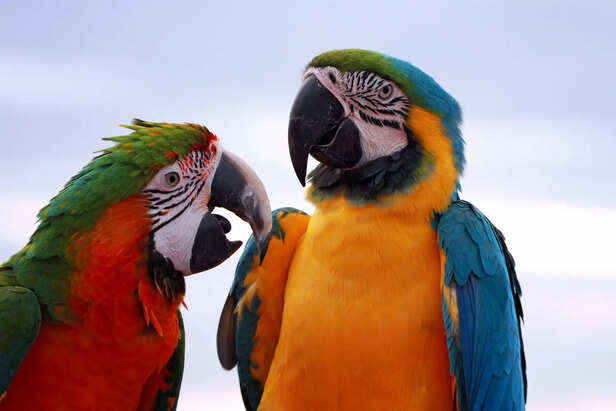
Scared Cockatiel Hiding Near Cage
Image credit : Pexels
Most aggressive birds are not naturally violent. They are emotionally overwhelmed or frightened. Loud noises, sudden hand movements, unfamiliar visitors, forced handling, or unstable environments can trigger defensive reactions quickly. Smaller birds especially rely heavily on survival instincts because they naturally see larger creatures as potential threats. Even loving pet birds can bite when they feel trapped or overstimulated. Owners sometimes accidentally worsen fear by chasing the bird, grabbing it forcefully, or reacting emotionally after a bite. Over time, fear-based experiences become emotionally connected with humans, causing the bird to stay constantly alert instead of feeling safe and relaxed.
Punishment Quietly Damages Trust Faster
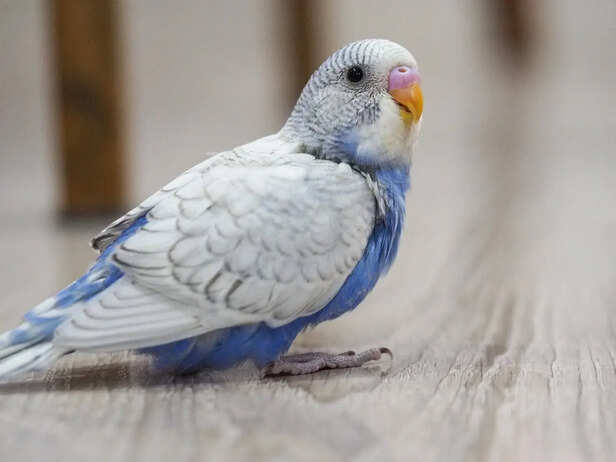
Owner Reacting Emotionally After Bird Bite
Image credit : Pexels
One of the biggest mistakes bird owners make is punishing aggression emotionally. Yelling, hitting cages, jerking hands away dramatically, or isolating the bird after a bite can increase fear significantly. Birds are highly intelligent and emotionally observant animals. They quickly associate emotional tension with danger. In some cases, dramatic reactions accidentally reward biting because the bird learns aggression creates distance and control. Calm responses work far better. Gently placing the bird down without emotional excitement teaches that biting does not control the environment. Trust-based handling builds emotional security slowly, while punishment often creates long-term anxiety and unpredictable aggressive behavior later.
Trust Is Built Through Small Daily Moments
A Calm Environment Changes Bird Behavior Dramatically
Celebrate the bond with your pets, explore Health & Nutrition, discover Breeds, master Training Tips, Behavior Decoder, and set out on exciting Travel Tails with Times Pets!