Cats choose their resting spots with more logic than it appears. The bathroom sink, specifically, checks several boxes at once, and once you see which boxes those are, the choice stops looking eccentric.
The sink holds body heat in a useful shape
Cats regulate their body temperature partly by seeking surfaces that reflect warmth back at them. Porcelain and ceramic are poor conductors, which means they do not pull heat away from the body the way a cold tile floor does. The curved basin also wraps around the cat's body, reducing the surface area exposed to cooler air. In a warm season or a warm flat, the same material works in reverse, a cat that has not been lying there long finds cool ceramic a brief relief. The shape of the sink does the work that a nest of blankets does for a smaller animal: it holds the body's outline.
![Morning Sink Still Life]()
Morning Sink Still Life
Image credit : AI
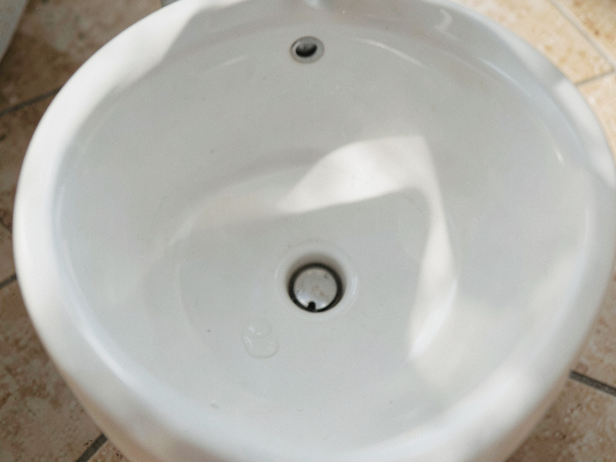
Observing the quiet stillness of the bathroom sink, a perfect spot for contemplation. It makes me wonder why cats sleep in sinks.
Height and enclosure together signal safety
Cats are both predators and prey animals, and their resting choices reflect both sides of that. A good resting spot, from a cat's perspective, offers a clear sightline to the room and a surface that nothing can approach from behind. A bathroom sink mounted on a pedestal or a vanity unit gives height. The basin itself gives enclosure on three sides. The combination, elevated, partially enclosed, facing the door, is close to what a cat would choose in the wild: a ledge with a view and a wall at its back. The bathroom's small size reinforces this. Fewer entry points means fewer directions to monitor.
Your scent is concentrated there
Cats use scent as a primary way of mapping their environment and the people in it. A bathroom sink carries a dense record of you: skin cells, the soap you use, water you have touched. Cats do not experience scent the way humans do, what reads as functional or neutral to you reads as rich and specific to a cat. Resting in a space saturated with a familiar person's scent is a form of proximity. It is not sentimentality in the human sense, but it is not random either. The cat is choosing a spot that smells like someone it has bonded with.
![Cat surveys bathroom domain]()
Cat surveys bathroom domain
Image credit : AI
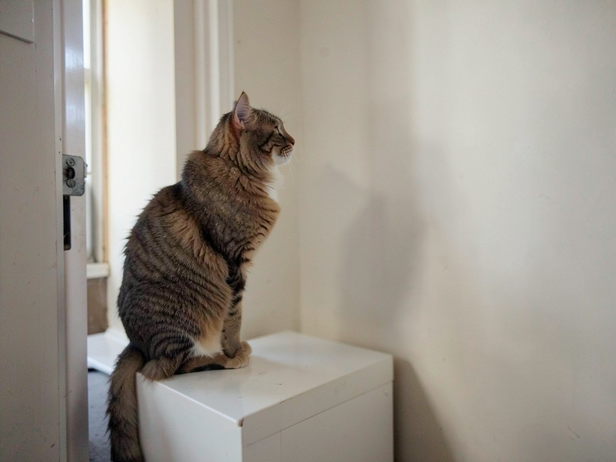
My cat's favorite resting spot, perhaps exploring why cats sleep in sinks.
The dripping tap is part of the appeal for some cats
Some cats that sleep in sinks are also cats that drink from taps. Running water triggers a different response in cats than still water does, moving water is more likely to be fresh in a natural setting, and some cats show a strong preference for it. A sink that drips, or that the cat has learned to associate with a person turning on the tap, becomes a location with multiple rewards: a comfortable resting shape, a familiar scent, and the possibility of fresh water. If your cat sits in the sink and looks at the tap, it has learned a sequence, not developed a quirk.
When sink-sleeping is worth paying attention to
A cat that occasionally sleeps in the sink is doing something normal. A cat that suddenly starts sleeping there every day, or that seeks out cool surfaces with unusual urgency, or that is drinking more water than usual alongside the sink habit, is showing a pattern worth noticing. Increased thirst combined with new resting behaviour can be an early sign of conditions like kidney disease, hyperthyroidism, or diabetes in cats, all of which are manageable when caught early. If the sink sleeping comes with changes in drinking, urination, appetite, or weight, those are the signs that make a vet visit the right next step.
The sink is not a mystery. It is a cat solving a set of practical problems, warmth, safety, familiarity, sometimes water, with whatever the flat provides. That the solution happens to be your bathroom basin is a coincidence of architecture, not a statement about your furniture.