
5 Signs Your Pet Needs a Vet Visit
Sonam Singh | Mar 25, 2026, 15:21 IST

5 Signs Your Pet Needs a Vet Visit
Pets show 5 key signs they need a vet visit: changes in appetite or weight, persistent vomiting/diarrhea, lethargy or weakness, breathing/skin issues, and unusual behavior or injuries. Early detection through observation addresses root causes like infections or organ problems, preventing escalation. With prompt care, most pets recover quickly, ensuring longer, healthier lives.
Your furry companion is family, but pets are experts at hiding illness. Sudden lethargy, loss of appetite, or vomiting can signal serious trouble brewing. In this article, discover 5 critical signs demanding a vet trip ASAP, helping you catch problems early before they escalate.
Changes in Appetite or Weight
![Sudden loss of appetite? Time for a vet check!]()
A sudden drop in eating or drinking, or unexplained weight loss/gain, often points to underlying issues. In dogs, skipping meals for over 24 hours could mean kidney disease, dental pain, or gastrointestinal disorders. Cats showing excessive thirst or rapid weight loss might have diabetes or hyperthyroidism. If your pet loses even 10% of body weight or rejects food persistently, rush to the vet. Early blood tests can pinpoint causes like metabolic imbalances, and treatment is simpler and cheaper at this stage. Studies show early intervention boosts recovery rates by up to 80% in common cases.
Persistent Vomiting or Diarrhea
![Persistent vomiting? Don't delay—vet now!]()
One off vomiting or loose stools might be minor, but anything lasting over 24 hours is a red flag especially with blood, foul odor, or dehydration signs like sunken eyes. Dogs may suffer from parasites, food poisoning, or intestinal blockages; cats from urinary tract infections. Beware of bloating signaling GDV a life threatening emergency in dogs that can kill within hours. Vets use IV fluids, anti-nausea meds, and diagnostics like X-rays for quick relief. Ignoring it risks severe dehydration or organ damage.
Lethargy or Weakness
![Too tired to play? Vet visit essential!]()
If your energetic pet turns sluggish, avoids play, or hides excessively, it's likely in pain or ill. Dogs collapsing could indicate heart failure or toxin ingestion; cats' lethargy often precedes kidney failure. Behavioral shifts like irritability or excessive sleeping scream discomfort. A vet exam with bloodwork reveals issues like anemia or infections. Don't wait 48 hours delays worsen outcomes, turning treatable conditions critical.
Breathing Difficulties or Skin Problems
![Scratching or breathing hard? See a vet ASAP!]()
Labored breathing, coughing, nasal discharge, or limping screams emergency. Dogs might have heart/lung woes; cats allergies or infections. Skin redness, relentless itching, lumps, or hair loss signal allergies, mange, or even tumors. Cloudy eyes or pale gums suggest oxygen deprivation. Regular grooming and vet checks allow antibiotics or special diets to resolve most cases swiftly.
Unusual Behavior or Injuries
![Strange actions? Rush to the veterinarian!]()
Seizures, yelping, limping, or tail not wagging indicate pain. Cats avoiding litter boxes? Possible urinary blockage an emergency! Open wounds, bleeding, or poisoning signs need immediate care. Hyperactivity or aggression ties to thyroid or brain issues. Prompt action prevents escalation
Don't ignore these 5 pet signs appetite loss, vomiting, lethargy, breathing issues, or odd behavior. Early vet visits catch problems like infections or organ failure before they worsen. Schedule routine checkups, stay vigilant, and act fast. Your quick action ensures your furry friend enjoys a long, happy, healthy life.
Changes in Appetite or Weight

Sudden loss of appetite? Time for a vet check!
A sudden drop in eating or drinking, or unexplained weight loss/gain, often points to underlying issues. In dogs, skipping meals for over 24 hours could mean kidney disease, dental pain, or gastrointestinal disorders. Cats showing excessive thirst or rapid weight loss might have diabetes or hyperthyroidism. If your pet loses even 10% of body weight or rejects food persistently, rush to the vet. Early blood tests can pinpoint causes like metabolic imbalances, and treatment is simpler and cheaper at this stage. Studies show early intervention boosts recovery rates by up to 80% in common cases.
Persistent Vomiting or Diarrhea
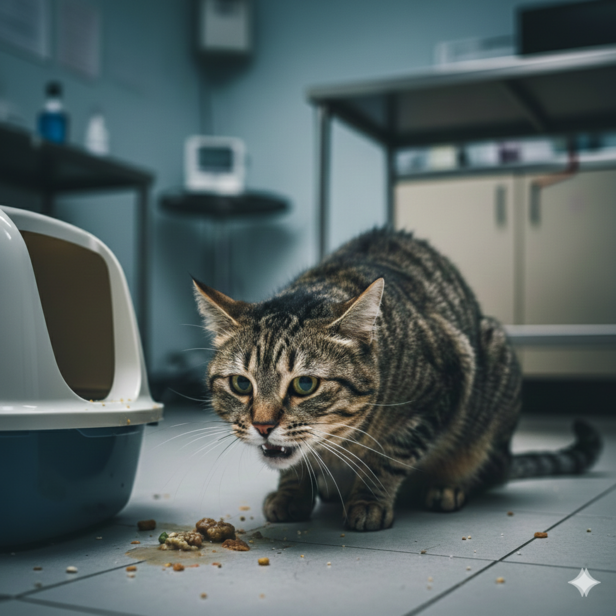
Persistent vomiting? Don't delay—vet now!
One off vomiting or loose stools might be minor, but anything lasting over 24 hours is a red flag especially with blood, foul odor, or dehydration signs like sunken eyes. Dogs may suffer from parasites, food poisoning, or intestinal blockages; cats from urinary tract infections. Beware of bloating signaling GDV a life threatening emergency in dogs that can kill within hours. Vets use IV fluids, anti-nausea meds, and diagnostics like X-rays for quick relief. Ignoring it risks severe dehydration or organ damage.
Lethargy or Weakness

Too tired to play? Vet visit essential!
If your energetic pet turns sluggish, avoids play, or hides excessively, it's likely in pain or ill. Dogs collapsing could indicate heart failure or toxin ingestion; cats' lethargy often precedes kidney failure. Behavioral shifts like irritability or excessive sleeping scream discomfort. A vet exam with bloodwork reveals issues like anemia or infections. Don't wait 48 hours delays worsen outcomes, turning treatable conditions critical.
Breathing Difficulties or Skin Problems

Scratching or breathing hard? See a vet ASAP!
Labored breathing, coughing, nasal discharge, or limping screams emergency. Dogs might have heart/lung woes; cats allergies or infections. Skin redness, relentless itching, lumps, or hair loss signal allergies, mange, or even tumors. Cloudy eyes or pale gums suggest oxygen deprivation. Regular grooming and vet checks allow antibiotics or special diets to resolve most cases swiftly.
Unusual Behavior or Injuries

Strange actions? Rush to the veterinarian!
Seizures, yelping, limping, or tail not wagging indicate pain. Cats avoiding litter boxes? Possible urinary blockage an emergency! Open wounds, bleeding, or poisoning signs need immediate care. Hyperactivity or aggression ties to thyroid or brain issues. Prompt action prevents escalation
Don't ignore these 5 pet signs appetite loss, vomiting, lethargy, breathing issues, or odd behavior. Early vet visits catch problems like infections or organ failure before they worsen. Schedule routine checkups, stay vigilant, and act fast. Your quick action ensures your furry friend enjoys a long, happy, healthy life.